

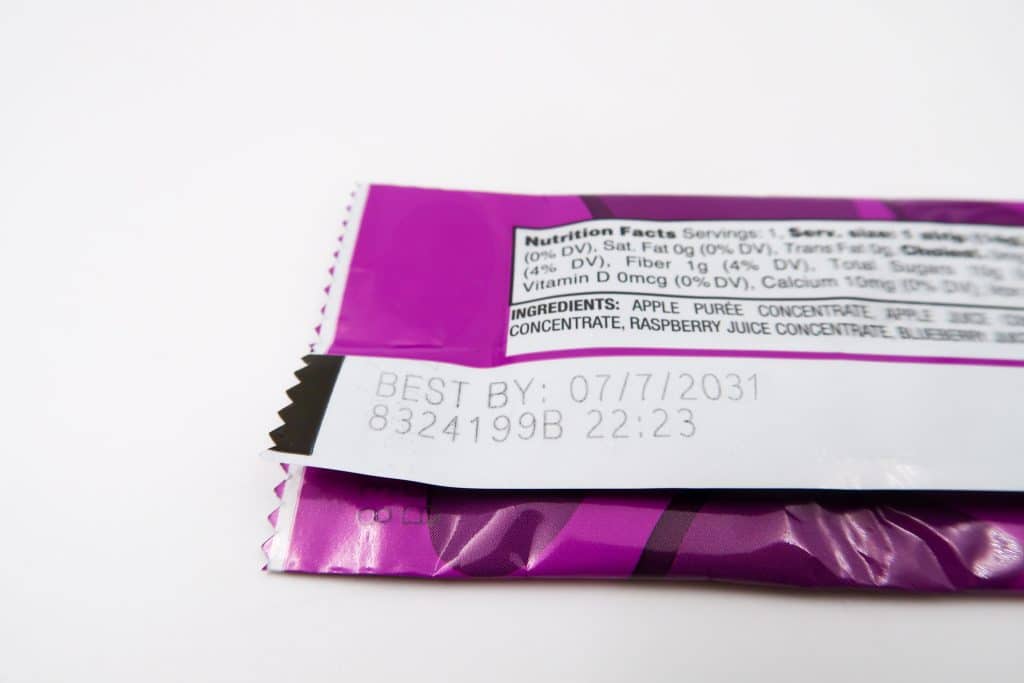
Thermal Transfer Overprinting (TTO) vs. Fiber Film Laser or UV Laser Marking: Which Is Right for Your Packaging Line?
If your production line relies on flexible packaging—think flow wraps, pouches, or film-sealed trays—you’re probably familiar with Thermal Transfer Overprinting (TTO). For years, TTO has been the go-to solution for printing variable information like lot codes, dates, and barcodes on flexible substrates. But now, laser technology—especially Fiber Film and UV laser marking—is quickly becoming a powerful, cost-effective alternative.
So, how do these technologies really compare? And more importantly, which is the best fit for your production needs today—and tomorrow?
Let’s break it down.
How TTO Works (and Where It Shines)
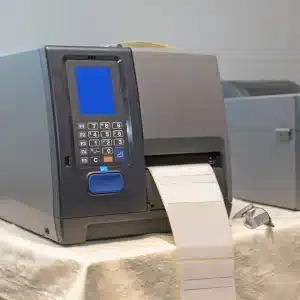
TTO uses heat and pressure to transfer ink from a ribbon onto packaging film. It delivers sharp, high-resolution marks, and it’s relatively simple to integrate with horizontal and vertical form-fill-seal machines.
TTO Pros:
- High-quality, generally consistent marks
- Good for a wide range of films
- Lower initial equipment cost
TTO Drawbacks:
- Requires ongoing consumables: ribbons, rollers, and replacement printheads
- Frequent maintenance and ribbon changeovers slow production
- Waste from used ribbons and misprints
- Sensitive to line stoppages and operator error
The Laser Advantage: No Ribbons, No Waste, No Hassle
Laser marking systems—specifically Fiber Film lasers and UV lasers—are changing the game in flexible packaging. Instead of transferring ink, lasers create a mark by reacting directly with the surface of the film, either through ablation or a color change.
Here’s why more manufacturers are making the switch:
No Consumables
Gone are the ribbons, with the waste they create, and that expense. Laser systems use only light to create high-contrast, permanent marks. That means fewer changeovers, reduced inventory of supplies, and lower ongoing costs.
Virtually No Maintenance
Fiber Film and UV lasers have no moving parts that contact the packaging material, which means less wear and tear, fewer breakdowns, and minimal downtime.
Speed and Precision
Both Fiber Film and UV lasers are designed for high-speed packaging lines. They deliver consistent, clear marks—even with small fonts, 2D barcodes, and fast-moving products.
Sustainability Gains
By eliminating consumables and waste, laser systems support your environmental goals and help reduce your carbon footprint. They also eliminate VOC emissions from ink and solvents. Check out our blog on The Sustainability Advantage of Lasers
When to Choose Fiber Film Laser Marking
Best for: Flexible films like polypropylene, polyester, coated cartons, OPP, and aluminum foils.
Fiber Film lasers deliver ultra-high-speed coding for food, beverage, and cosmetic packaging. They are ideal for lines demanding throughput and uptime, with clear variable codes that don’t smudge or fade.
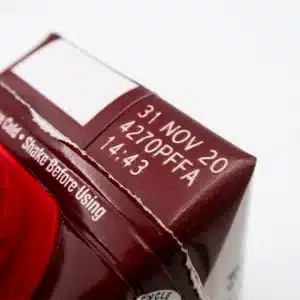
When to Choose UV Laser Marking
Best for: Delicate plastics, specialty films, and applications requiring micro-coding or covert marks.
UV lasers offer a cold marking process, which is gentle on heat-sensitive materials. They’re great for pharmaceutical and high-end packaging applications where precision and aesthetics matter.
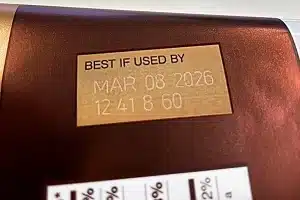
TTO vs. Fiber Film & UV Lasers: A Quick Comparison
Consumables & Maintenance
-
TTO: Requires ribbons, rollers, and replacement printheads, resulting in ongoing consumable costs and regular maintenance.
-
Fiber Film Laser: No consumables required, with minimal maintenance and fewer production interruptions.
-
UV Laser: No consumables required, with minimal maintenance and reduced downtime.
Line Speed Compatibility
-
TTO: Well-suited for moderate-speed packaging lines.
-
Fiber Film Laser: Supports ultra-high-speed production environments.
-
UV Laser: Designed for high-speed applications requiring precise marking.
Mark Durability
-
TTO: Produces high-quality codes, although marks can smudge or fade under certain conditions.
-
Fiber Film Laser: Creates permanent, high-contrast marks that resist smudging and fading.
-
UV Laser: Delivers permanent, precise marks, even on delicate and heat-sensitive materials.
Sustainability
-
TTO: Generates waste from used ribbons and other consumables.
-
Fiber Film Laser: Eliminates ribbons and ink consumables, reducing packaging waste.
-
UV Laser: Eliminates ribbons and ink consumables while supporting cleaner marking operations.
Initial Investment
-
TTO: Lower upfront equipment costs.
-
Fiber Film Laser: Higher initial investment.
-
UV Laser: Higher initial investment.
Total Cost of Ownership
-
TTO: Ongoing ribbon replacements, maintenance, and downtime can increase long-term operating costs.
-
Fiber Film Laser: Reduced consumable and maintenance expenses can lower total ownership costs over time.
-
UV Laser: Minimal maintenance and no consumables can provide long-term cost savings.
Is It Time to Upgrade?
If you’re spending too much time swapping ribbons, troubleshooting print quality, or dealing with waste and maintenance, it may be time to rethink your marking strategy. Fiber Film and UV lasers offer faster, cleaner, and more sustainable marking—especially for fast-paced, high-volume packaging lines.
Need help choosing the right solution for your application? Matthews Marking Systems offers sample testing, side-by-side performance comparisons, and expert guidance to help you find the perfect fit.
Let’s talk lasers. Contact us today to see how Fiber Film or UV laser marking can boost your line’s performance—and your bottom line.