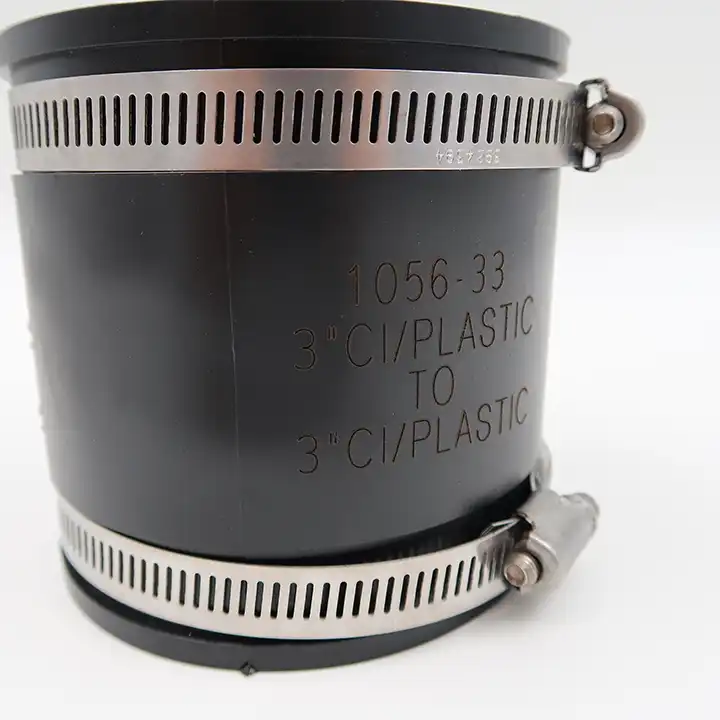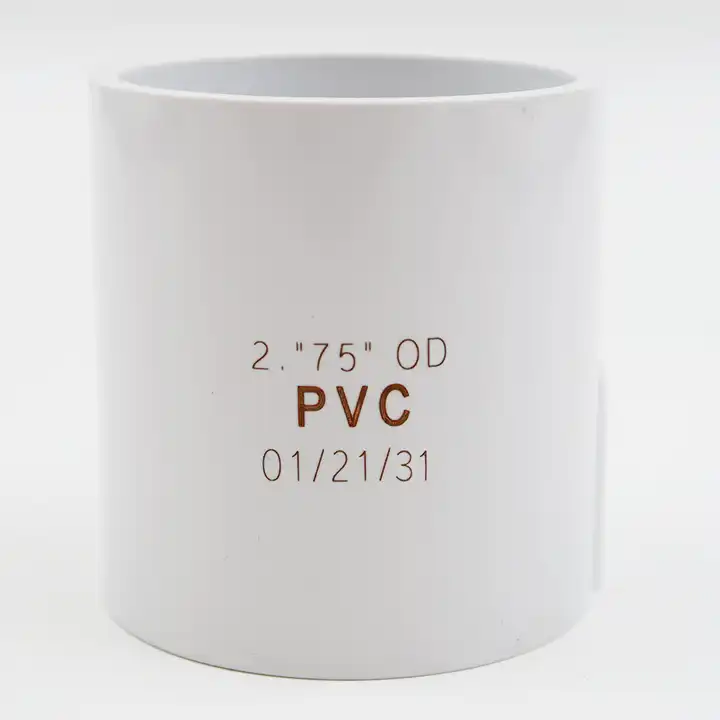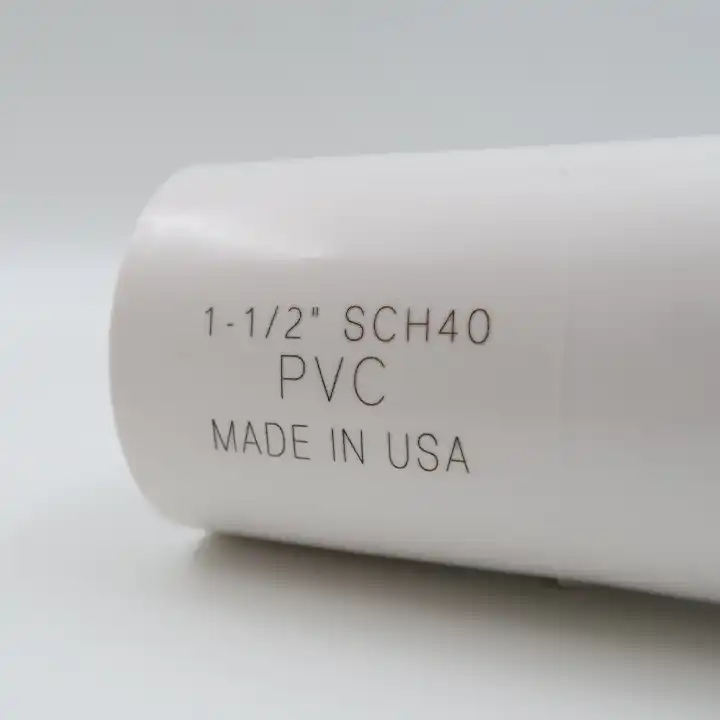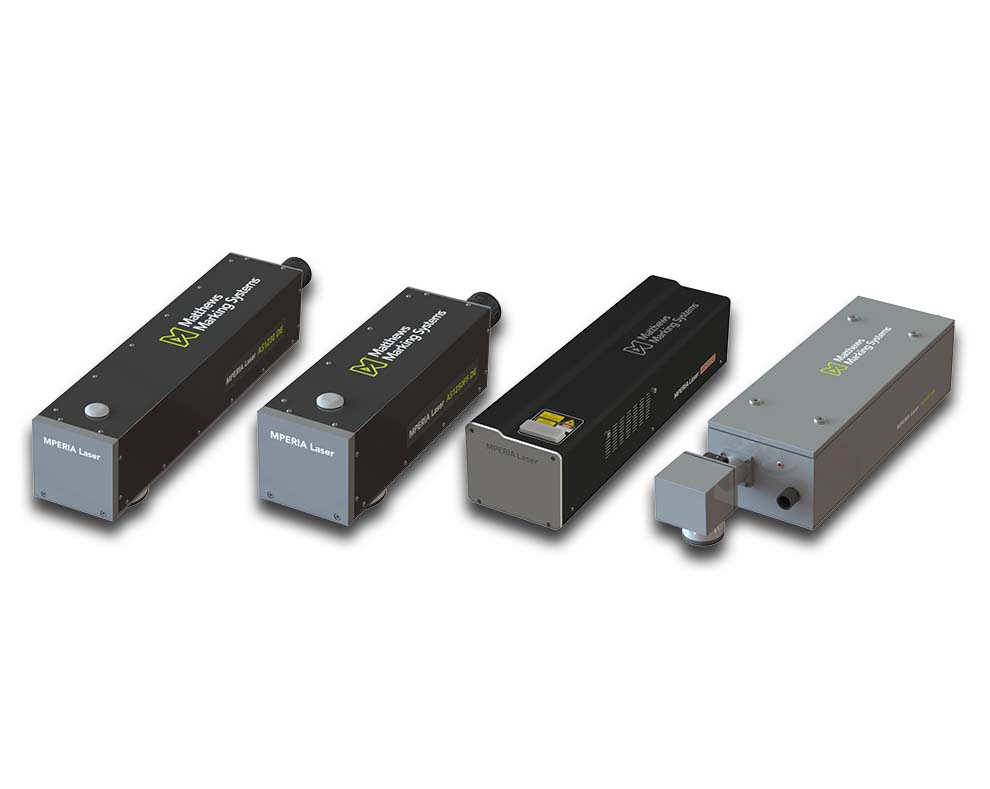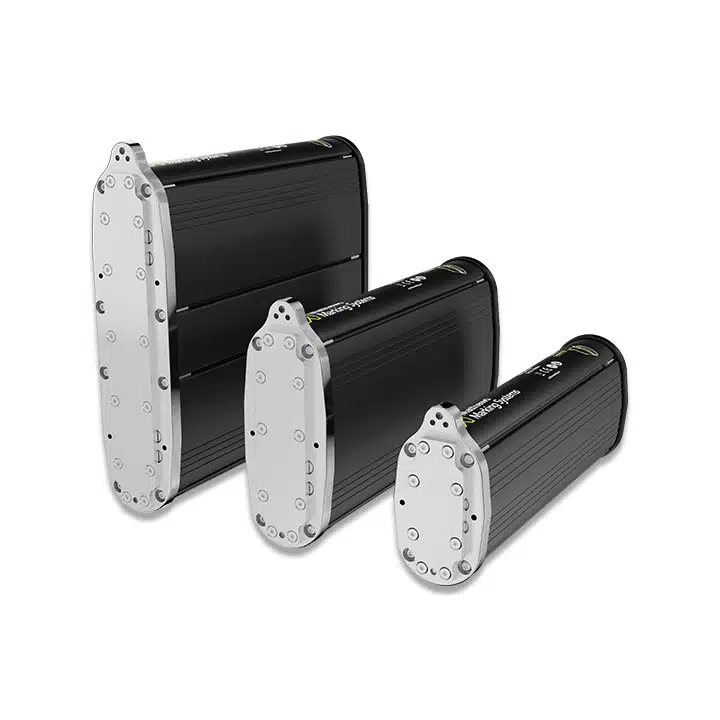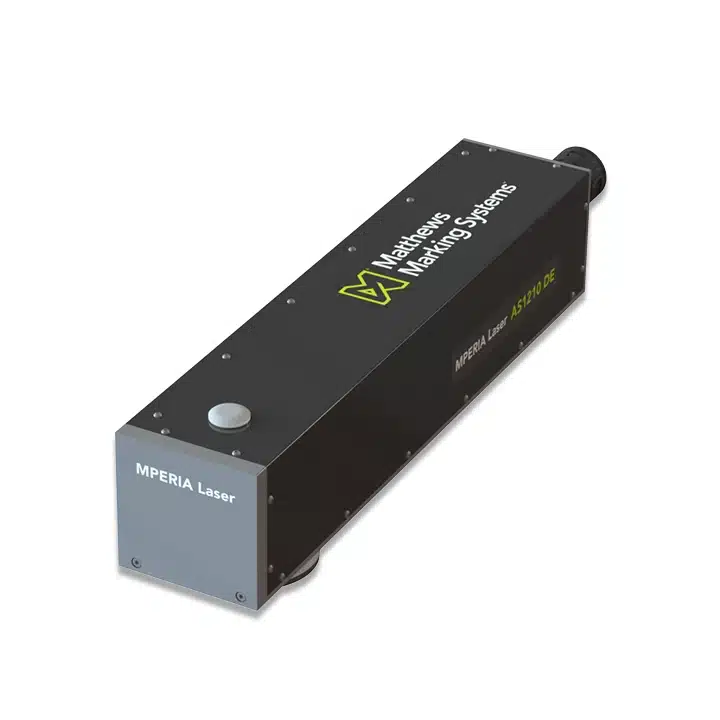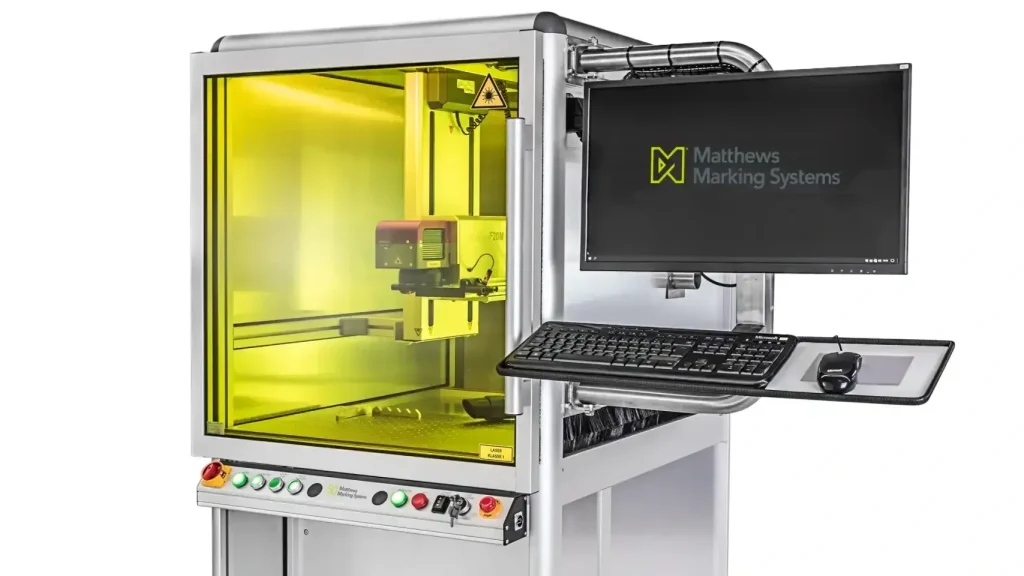
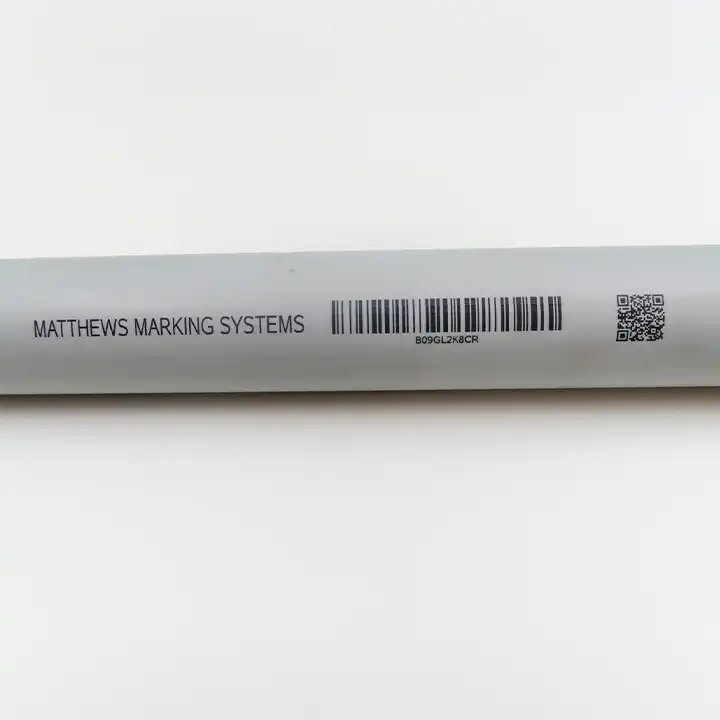
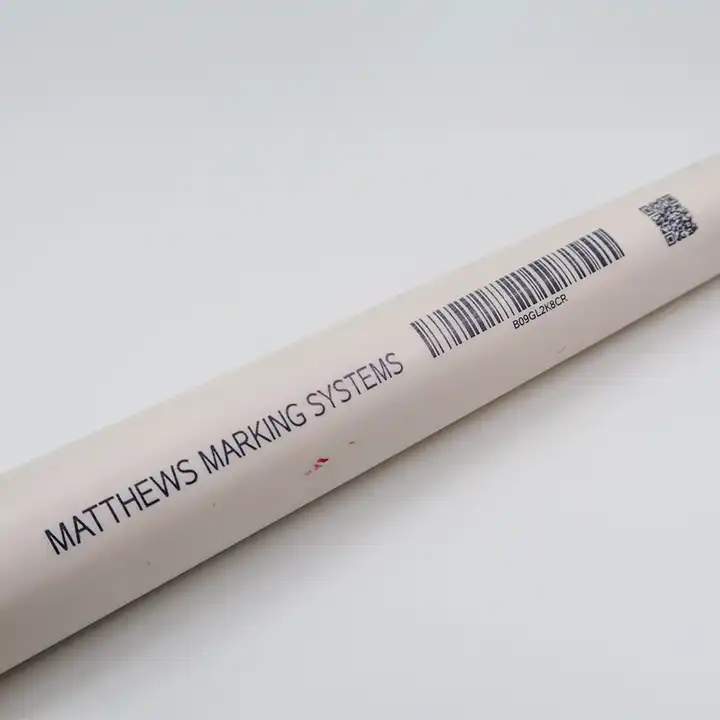
Fiber laser marked blue plastic tubing with permanent identification for industrial traceability.

Pipes & Plastics Printing and Marking

Whether your pipes are metal, plastic, or corrugated, it’s imperative that marks and codes are crisp and high contrast, with ink that stands the test of time. Matthew’s coding and marking systems can be relied on to make sure your products are easily identifiable over their life cycle, with high-quality prints that last.

Why Choose Matthews for Pipe & Plastic Marking?

Reliable Product Traceability

Mark Every Product with Confidence: Print production data, lot numbers, specifications, and certification information directly on products

Support Quality Management Programs: Connect finished products to manufacturing and inspection records

Improve Supply Chain Visibility: Simplify identification throughout warehousing, distribution, and installation
Built for Continuous Production

Designed for High-Speed Extrusion Lines: Maintain print quality without sacrificing throughput

Reduce Production Interruptions: Reliable marking systems help keep lines running efficiently

Automated Product Identification: Eliminate manual marking processes and improve consistency

Durable, Readable Marks

Long-Lasting Product Identification: Produce marks that remain readable during handling, storage, and use

High-Contrast Printing: Ensure product information is easy to read on a variety of materials and colors

Consistent Mark Quality: Deliver clear text, logos, and codes throughout extended production runs

Frequently Asked Questions

How do dust, vibration, and harsh environments affect marking reliability?

Dust and vibration can degrade mark quality and uptime by contaminating surfaces, changing apparent substrate finish, and loosening mounts over long runs. Many pipe operations are not climate controlled and run continuously, so small stability issues can turn into recurring quality events. Designing mounting, guarding, and maintenance access as part of the marking plan helps support consistent output with less unplanned intervention.

What causes smearing or ink transfer on pipes right after marking?

Smearing typically occurs when ink has not dried or cured before the pipe contacts downstream equipment, especially on non porous surfaces. Oils, moisture, or release agents can slow drying, as can substrate temperature changes. On round pipes, contact points such as guides or stackers may touch the mark sooner than expected. Reducing transfer usually involves a combination of ink selection, sufficient dry distance, and thoughtful mark placement.

How do we keep marks readable at high line speeds without sacrificing quality?

At higher speeds, issues such as inconsistent pipe motion, vibration, and timing drift become more visible, often showing up as blurred or stretched marks. Pipe lines frequently run continuously, so reliability and repeatability matter as much as print quality. Stabilizing the pipe path, referencing speed consistently, and validating mark quality at operating speed all help reduce rework and operator intervention.

What durability factors should we plan for in pipes and plastics marking?

Pipes may be exposed to temperature swings, humidity, dust, chemicals, fluids, abrasion, and UV over long service lives. These exposures can degrade marginal marks over time. Defining durability requirements—indoor versus outdoor use, buried versus exposed, chemical contact, cleaning methods, and handling abrasion—helps prevent late stage failures. When durability is critical, some manufacturers consider marking approaches that are less dependent on surface chemistry, but substrate response and environment still determine suitability.

How do we improve contrast on dark or colored plastic substrates?

Achieving contrast on dark substrates depends on how the material interacts with the chosen marking method. Ink based systems often require inks formulated for non porous plastics and specific color contrasts. With laser marking, contrast depends on how the polymer and additives react to energy. In both cases, performance can vary by material, so assumptions across product families tend to create rework. Evaluating a few options on actual substrates under line conditions is typically the most reliable approach.

What makes a “good” mark on pipe, and how do we define it internally?

A good pipe mark remains legible, consistent, and durable through production, handling, storage, and service life. That means sufficient contrast for quick reading, complete and aligned characters, and resistance to smearing or transfer as the pipe contacts rollers, guides, or stacking surfaces. Because many pipes are expected to remain identifiable for years, durability should be defined early rather than discovered through failures downstream.

How do additives, fillers, and coatings affect marking on plastic pipe?

Additives and coatings can change how a substrate accepts ink or responds to energy based marking. Some materials accept ink readily or generate natural contrast, while others resist wetting or produce washed out marks. Coatings may improve printability, but they can also introduce variation if thickness or cure changes by batch. In practice, testing should be done on production grade material, not just lab samples, with durability confirmed against real handling and exposure conditions.

What substrate information should I have ready before choosing a marking approach?

Start with the factors that directly affect marking results: material type (plastic or metal), polymer family if plastic, surface finish (glossy or textured), and the presence of coatings, mold release agents, or oils. Note substrate color and opacity, since contrast requirements change on dark or translucent materials. Include operating realities such as line speed and environmental conditions. Pipe lines are often exposed to dust, vibration, and temperature swings, all of which can influence mark consistency and reliability.

Why does the substrate matter so much when marking pipes and plastics?

In pipe and plastics applications, the substrate influences how an ink wets and adheres, how quickly a mark dries before downstream contact, and how well it holds up over time. Plastics can vary widely by polymer type, additives, coatings, and surface energy—even within the same product family. As a result, a setup that performs well on one pipe may struggle on another. The practical takeaway is to treat the substrate as a variable and validate mark quality on the exact material and process conditions you run every day.

Contact a Solutions Engineer

Our experts are available to assure that your next printing solution maximizes efficiency, enhances quality, and limits downtime. Contact us to get a quote, request samples, schedule a demonstration, or receive additional product information.