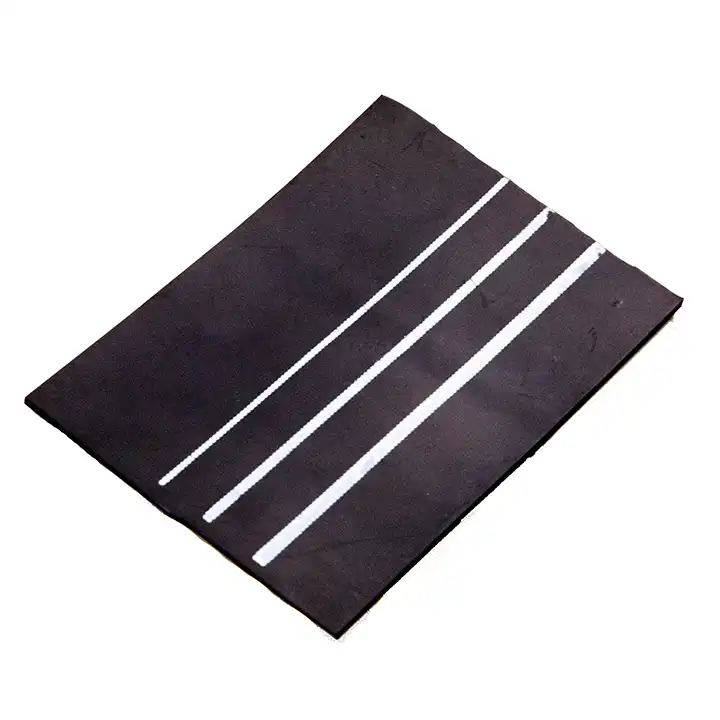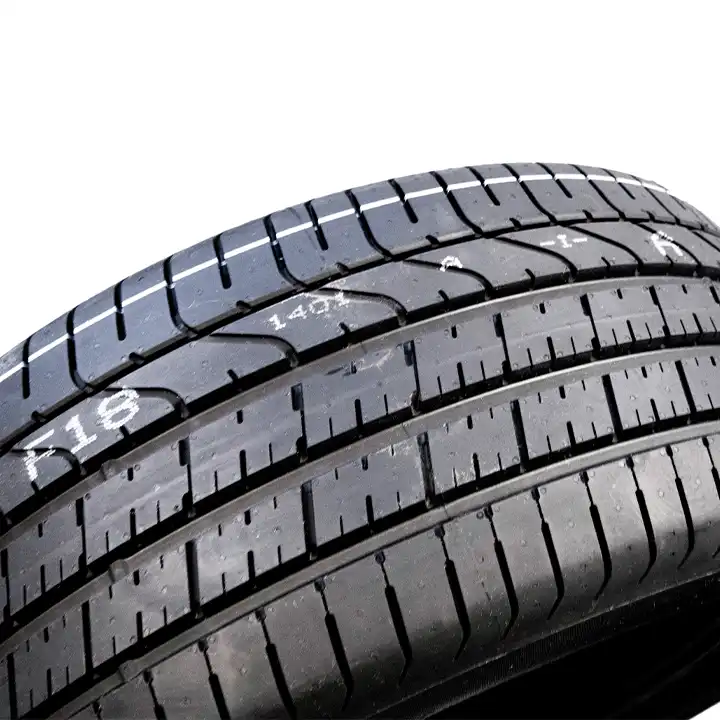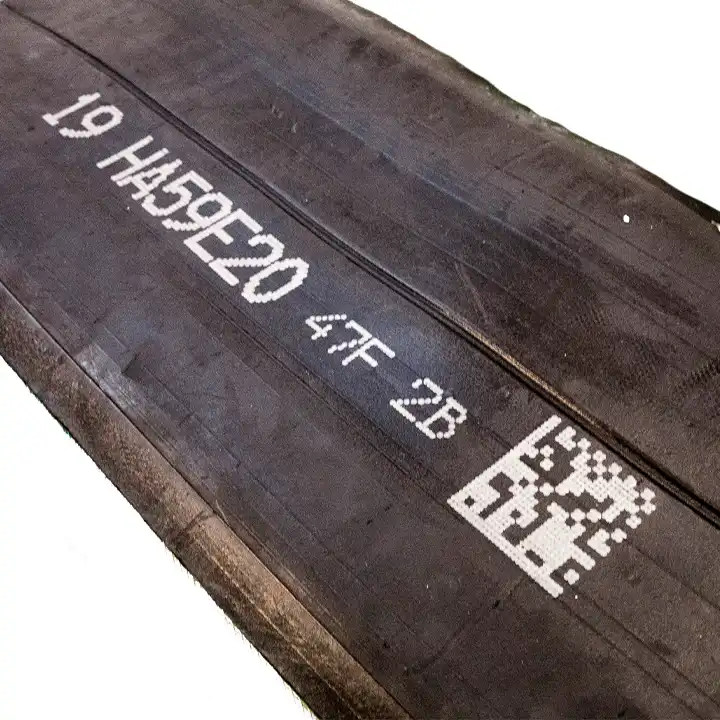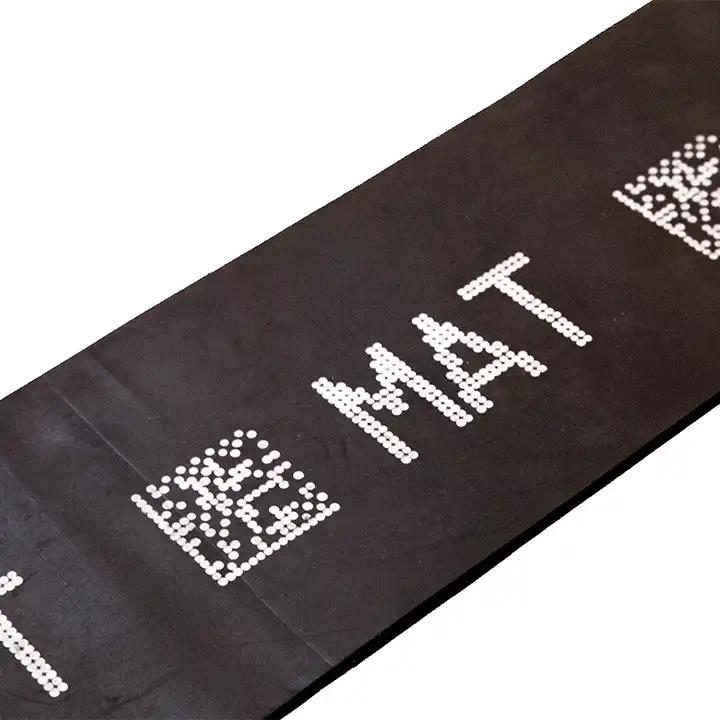
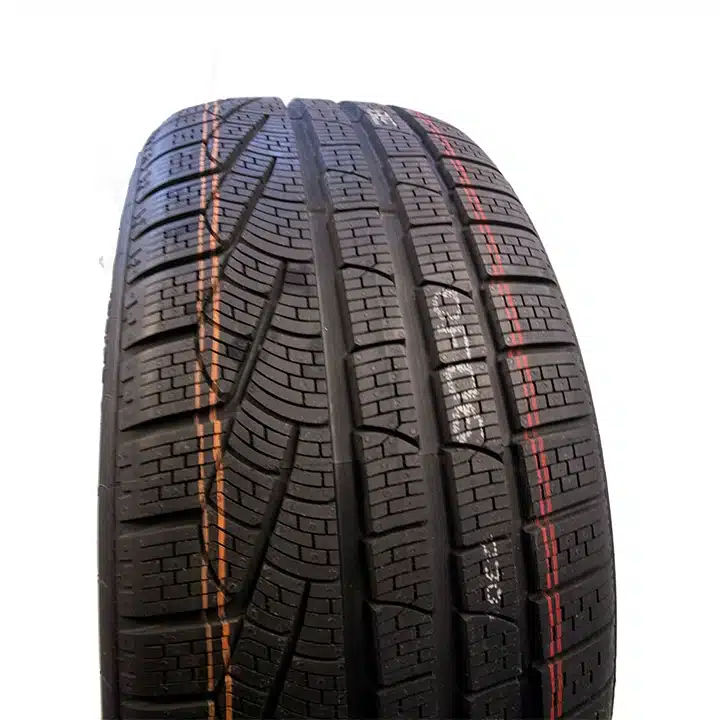
Industrial tire with sidewall identification markings for tire manufacturing and traceability.

Marking Solutions for Rubber and Tire

As an industrial producer in the tire and rubber industry, you need marking equipment capable of working reliably in challenging, fast-paced manufacturing environments. Whether you’re printing internal codes on rubber blanks or showcasing your brand with big, bold trademarks, Matthews offers a line-up of workhorse, printers and specialized inks that standing up to the conditions found in tire manufacturing plants.

Why Choose Matthews for Rubber & Tire Marking?

Reliable Product Traceability

Track Every Product: Mark batch numbers, production dates, serial numbers, and product specifications directly on tires and rubber products

Support Quality Control Programs: Connect products to manufacturing records, inspections, and testing data

Improve Supply Chain Visibility: Ensure products can be accurately identified throughout production and distribution
Durable Marks for Demanding Environments

Long-Lasting Product Identification: Create marks designed to remain readable during storage, transportation, and use

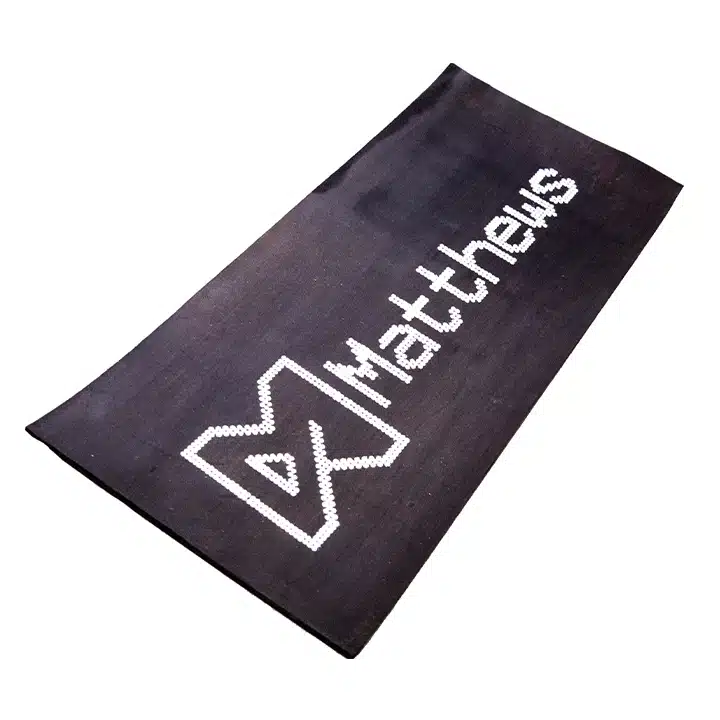
High-Contrast Printing: Produce clear marks on dark rubber surfaces and challenging substrates

Consistent Readability: Maintain mark quality across a variety of products, materials, and manufacturing conditions

Improve Production Efficiency

Keep Manufacturing Lines Running: Reliable systems help minimize interruptions and production delays

Automate Product Identification: Reduce manual marking processes and improve consistency

Support High-Volume Production: Maintain mark quality without sacrificing throughput

Frequently Asked Questions

What information do you need to recommend the right marking solution?

Key inputs include substrate type, process stage, code type, environment, line speed, permanence requirements, and compliance constraints. Providing this context early helps avoid misalignment and repeated adjustments later.

Why is sample testing required for rubber and tire marking?

Rubber substrates and environments vary too much to rely on assumptions. Sample testing confirms readability, durability, and consistency under actual production conditions and reduces the risk of rework after startup.

What does Matthews mean by a custom engineered marking solution?

In rubber and tire applications, standard configurations do not always match real world conditions. Custom engineering may involve mounting, printhead positioning, ink selection, or system layout adjustments to accommodate surface variation, handling, and environment.

How do temperature and humidity swings affect rubber marking?

Temperature and humidity changes influence ink flow, drying, and adhesion. These swings often explain mid shift or seasonal marking issues that appear without any equipment changes.

How does centralized control reduce marking and coding errors?

Centralized control standardizes how messages are created, selected, and updated across lines. This reduces manual entry, minimizes changeover errors, and lowers the risk of outdated or incorrect codes appearing in production.

Are 2D codes practical for rubber and tire traceability?

Larger 2D codes can be practical in some rubber and tire applications. Very small, high resolution codes are often unreliable on rough or uneven rubber surfaces. Matching code type and size to the substrate is more important than the code format itself.

How do you achieve readable marks on dark rubber surfaces?

Dark rubber limits contrast if mark size, color, or placement are not addressed. Larger, simpler codes often remain readable longer than dense information. Readability should be evaluated at the actual viewing or scanning point, not just at the mark station.

Why can rubber marking look good at startup but fail later?

Changes in temperature, humidity, dust, or material supply can alter ink behavior over time. Short trials at startup may not reflect full shift conditions, which is why issues often appear later rather than immediately.

How do low VOC inks affect rubber marking performance?

Emissions and regulatory requirements often influence ink selection in tire plants. Low VOC or HAPS free inks may be required, but performance still depends on the substrate and environment. Validation under real conditions helps ensure compliance without sacrificing readability or durability.

Do tire marking inks need to survive curing or vulcanization?

In many tire applications, marks must remain legible through curing or vulcanization. In others, marks are intended to fade or be removed after that step. Misaligning ink performance with process stage can lead to missing or unintended marks on finished products.

Why is ink selection critical for rubber and tire marking?

Rubber compounds vary widely, and inks interact differently with each formulation. Ink selection affects adhesion, contrast, drying behavior, and durability through curing and handling. An ink that performs well on one compound may underperform on another, especially as conditions change over a shift.

Where should rubber or tire codes be placed to avoid smearing?

Smearing often occurs when marks contact guides, belts, or other surfaces before they stabilize. This risk increases on soft or warm rubber and in high contact handling zones. Placement decisions should account for what happens immediately after marking, not just where the code fits visually.

How do uneven or curved tire surfaces affect marking quality?

Tire sidewalls and rubber components are rarely flat. Surface curvature and variation change the effective throw distance and can affect consistency if mounting and positioning are not matched to the application. In many cases, mechanical setup and stability have as much impact on mark quality as the marking technology itself.

Can one rubber marking system work across multiple substrates?

Some systems can support multiple rubber substrates, but compound differences and process stages often require adjustments. Rubber formulations, surface conditions, and temperatures vary enough that assumptions can lead to inconsistent marks across products or shifts.

What is the difference between marking green rubber and cured tires?

Green rubber is typically marked for internal tracking and often requires marks that are removable or disappear later in the process. Cured tires usually require permanent, legible marks that withstand handling, abrasion, and downstream logistics. Confusing these requirements can result in marks that either disappear too early or remain when they should not.

What does “substrate” mean in rubber and tire marking?

In rubber and tire manufacturing, the substrate is the surface being marked. This can include green rubber, uncured tread, cured tires, sidewalls, slabs, and molded rubber components. Each surface behaves differently and influences ink selection, mark placement, and durability. Understanding which substrate is being marked at each stage helps avoid inconsistent results and unnecessary rework.

Contact a Solutions Engineer

Our experts are available to assure that your next printing solution maximizes efficiency, enhances quality, and limits downtime. Contact us to get a quote, request samples, schedule a demonstration, or receive additional product information.