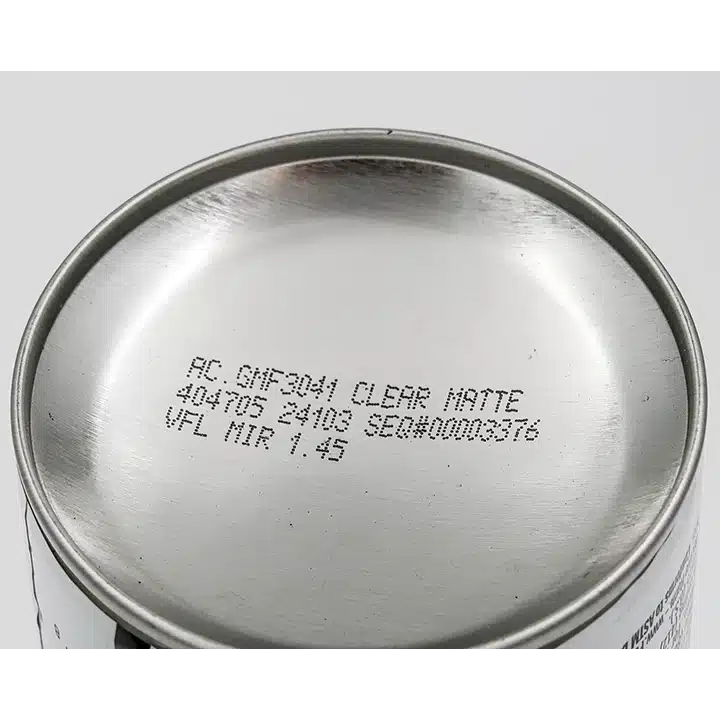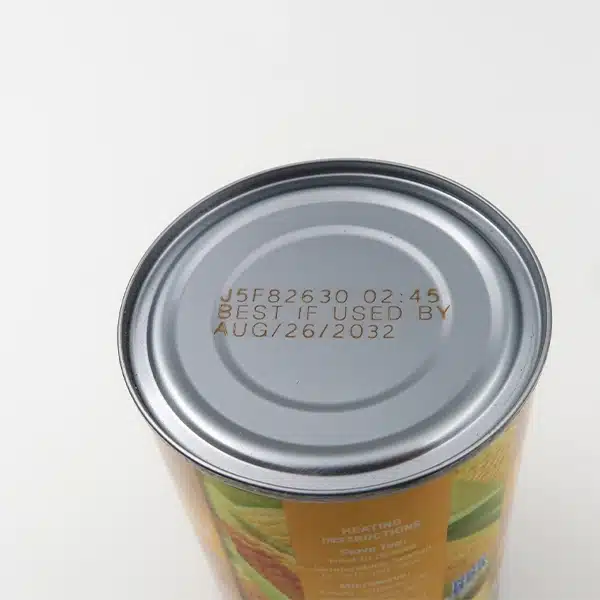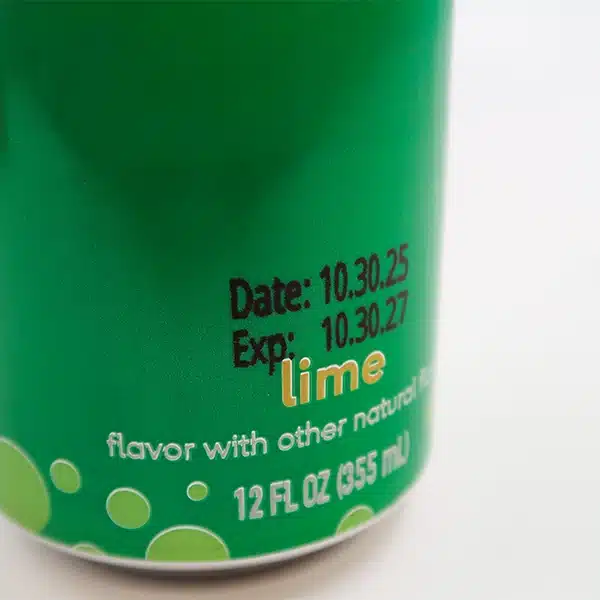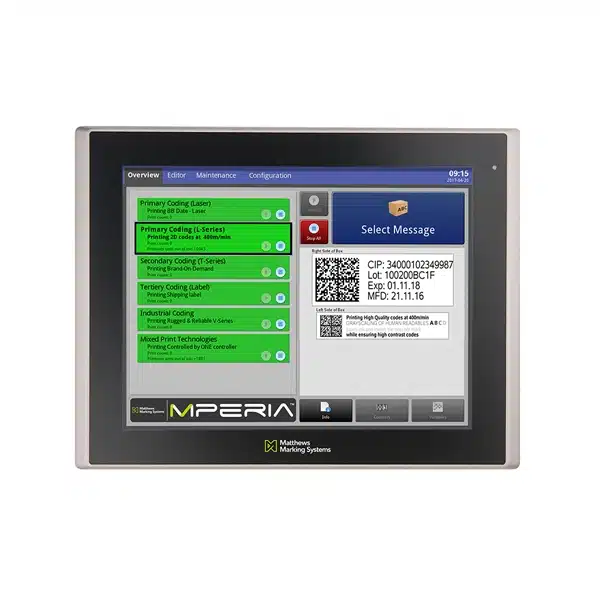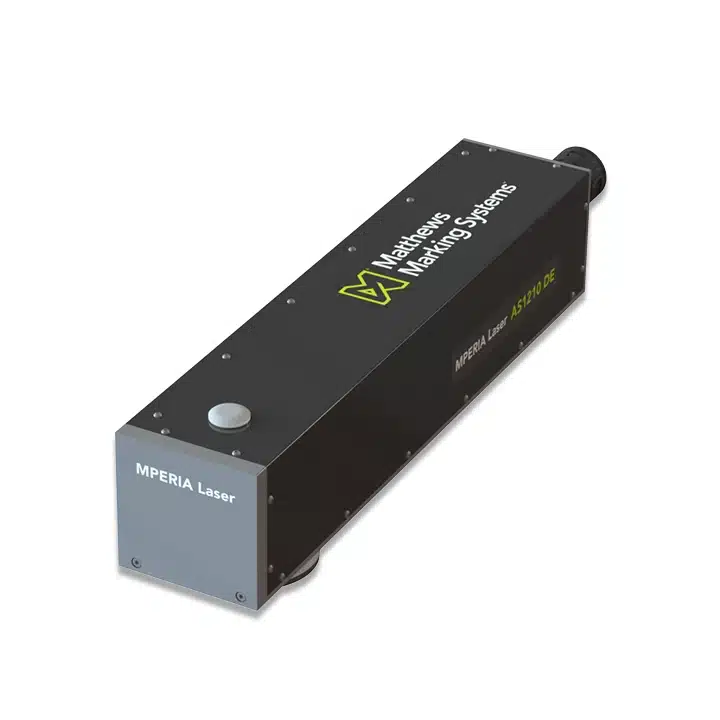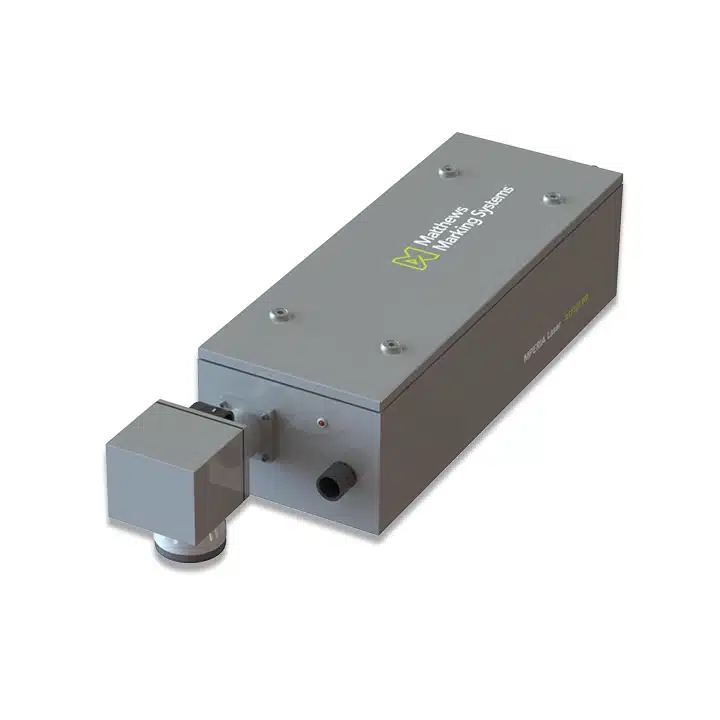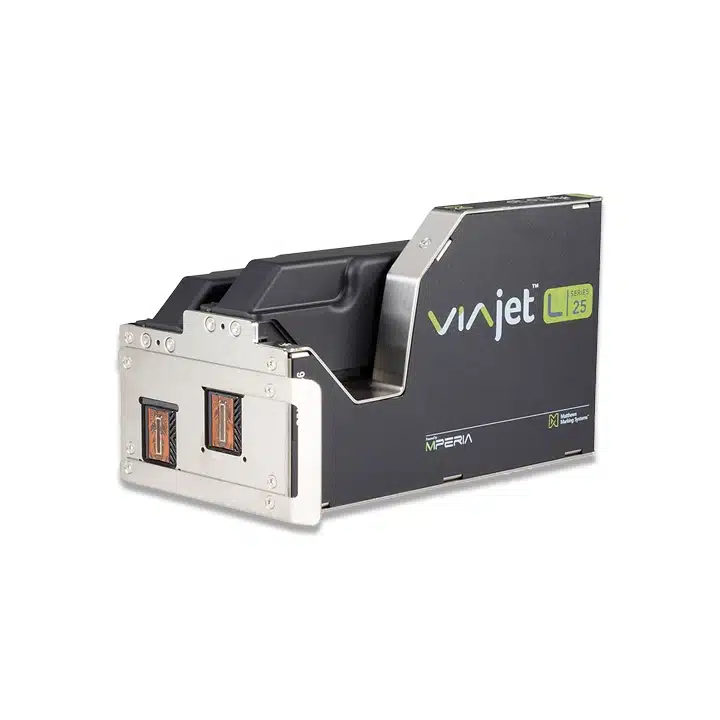
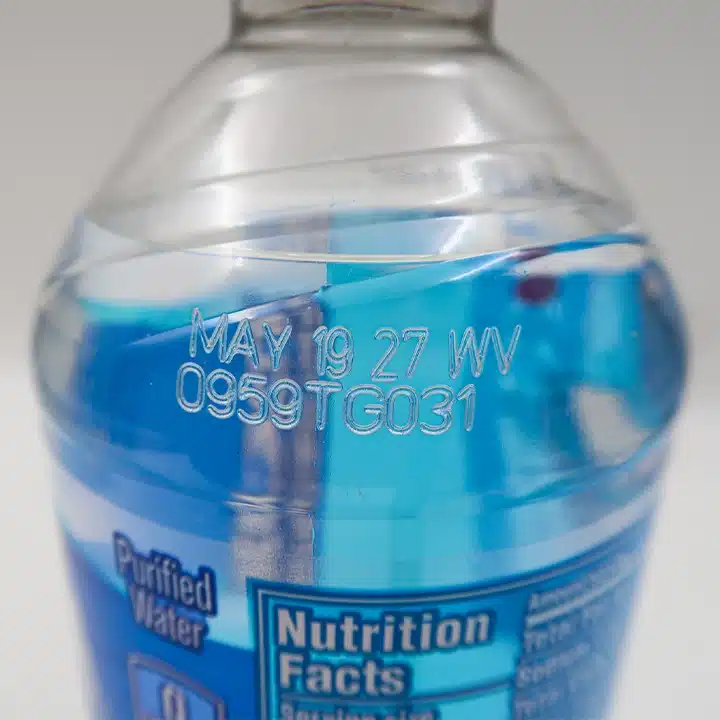
Date and lot code printed on a plastic beverage bottle using an industrial marking system.

Marking on Bottles & Cans

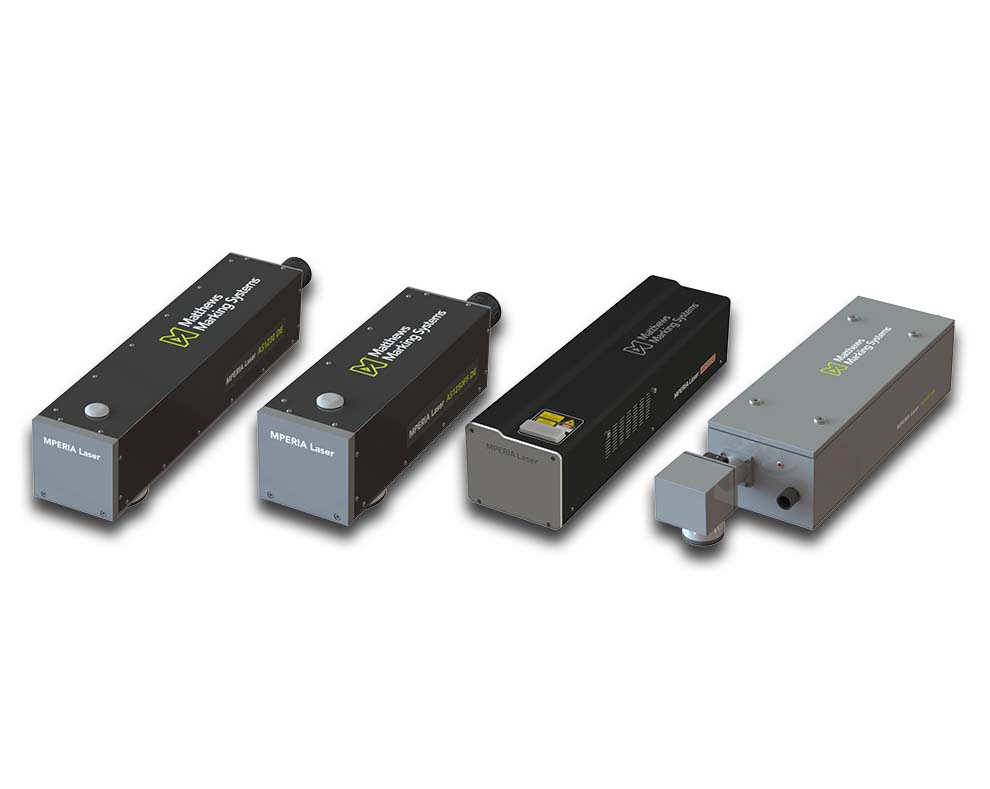
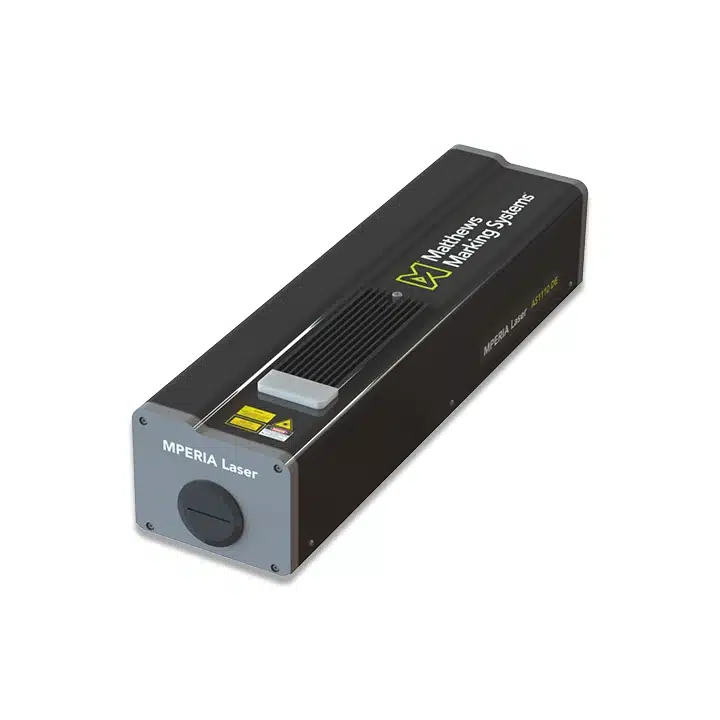
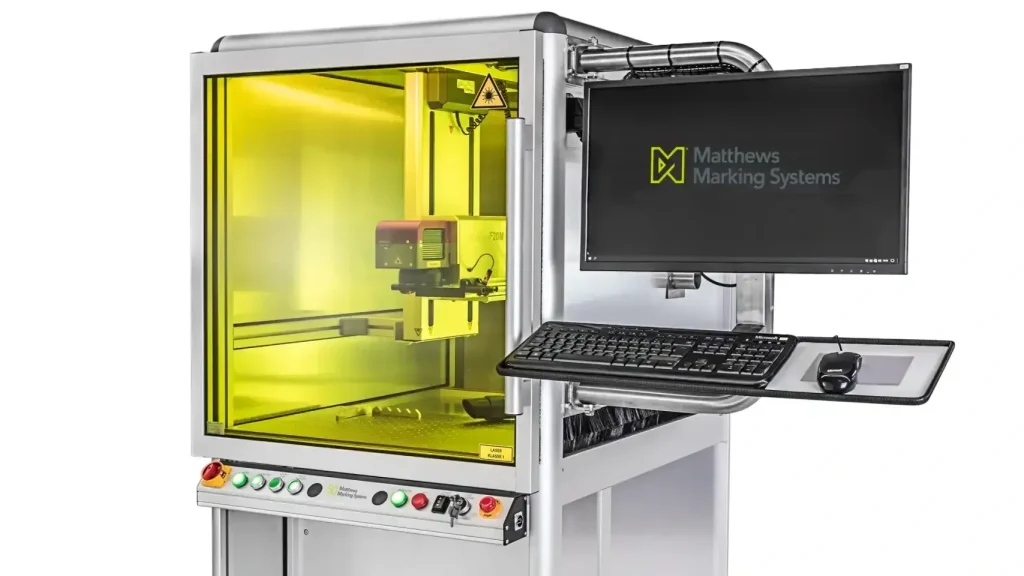
The only thing more important than easy to read and accurate “best by” expiry date, batch, and lot codes is making sure your line doesn’t stop. We can help you with both. Our laser coding machines maximize uptime by producing vector-quality codes at high speeds and help you meet the high production demands of the beverage industry without sacrificing quality.

Why Choose Matthews for Bottle & Can Marking?

Reliable Product Traceability

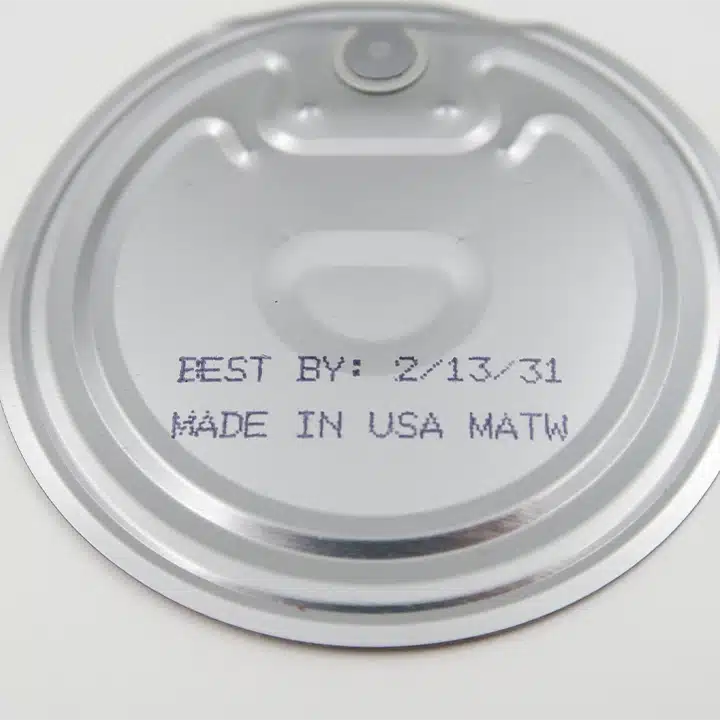
Consistent Date & Lot Coding: Print expiration dates, batch codes, lot numbers, and production data with confidence

Supply Chain Visibility: Support product tracking from production through distribution and retail

Improved Recall Readiness: Accurate coding helps manufacturers quickly identify and trace affected products
Built for High-Speed Packaging Lines

Maintain Throughput: Produce clear, readable codes without slowing production

Consistent Print Quality: Deliver reliable marks across long production runs and multiple shifts

Reduce Unplanned Downtime: Dependable systems help keep filling and packaging lines operating efficiently

Flexible Marking Solutions

Mark Virtually Any Container Type: Print on aluminum cans, plastic bottles, glass containers, and metal packaging

Supports Multiple Code Types: Apply text, logos, barcodes, and 2D codes from a single platform

Adapt to Product Changes: Easily update messages, SKUs, and production data as requirements evolve

Frequently Asked Questions

How do marking systems integrate into bottle and can lines?

Marking must operate in step with equipment such as rinsers, fillers, cappers, conveyors, packers, and inspection systems. Integration considerations include: Physical space and access, data inputs for variable information, and upstream and downstream timing.

What maintenance should teams expect for consistent marking?

Consistent marking depends on routine cleaning, inspection, and alignment checks—especially in wet or dusty environments. Planned maintenance helps: Prevent gradual quality drift, reduce unplanned adjustments, and maintain confidence in output.

How do changeovers affect bottle and can marking?

Multiple bottle sizes, can formats, or SKUs increase setup sensitivity. Each changeover introduces risk if adjustments are manual or inconsistent. Reducing changeover sensitivity helps: Maintain repeatable placement, reduce training demands, and Improve shift to shift consistency.

How do we ensure barcode or 2D code readability on bottles and cans?

Readable codes depend on contrast, edge clarity, and placement. Curved surfaces and condensation increase the risk of distortion or reduced contrast. Consistency improves when teams focus on: Adequate contrast for scanners, preserved quiet zones, and placement on stable container areas.

What causes codes to smear, shift, or become unreadable?

Most marking problems trace back to a few common root causes: Wet or contaminated substrates, container movement or bounce, and placement too close to curves, seams, or contact areas.

How does line speed impact marking on bottles and cans?

At high speeds, small variations in spacing, timing, or container handling have a greater impact on placement and readability. Stable marking at speed depends on: Consistent container presentation, accurate synchronization with conveyor movement, and limited vibration at the print point.

How do moisture and condensation affect marking quality?

Cold fill processes, cold rooms, and temperature swings commonly introduce condensation. Moisture can interfere with adhesion and cause smearing or fading. These effects are most noticeable: At startup and restarts, during temperature transitions, and on cold containers entering warmer areas.

Should we use direct coding or labels on bottles and cans?

The choice depends on operational risk rather than preference. Direct coding is commonly used for date and lot information, while labels are often used for more complex or customer specific data. Decision factors include: Code content and density, substrate variability, and frequency of changeovers.

What challenges are specific to marking aluminum cans?

Aluminum cans present highly curved, often wet surfaces and move quickly through the line. Coatings and moisture can affect mark adhesion and contrast. Key considerations include: Stable can presentation at speed, consistent spacing and timing, and placement away from seams or distortion zones.

How does marking on glass bottles differ from plastic bottles?

Glass bottles are rigid and stable but often cold and prone to condensation. Plastic bottles may be warmer but introduce static, surface energy variation, and flexing. These differences affect: How consistently marks adhere, edge definition and contrast, and resistance to scuffing during downstream handling.

What are the biggest challenges when marking bottles and cans?

Most challenges stem from container movement, curved surfaces, and environmental conditions. Bottles and cans are lightweight and often wet, making consistent placement and readability harder at speed. Common problem areas include: Condensation on cold or cold filled containers, vibration or container movement at the print point, and limited flat areas for code placement.

What does “substrate” mean when marking bottles and cans?

In marking and coding, the substrate is the surface being marked. For bottle and can lines, common substrates include glass bottles, PET or HDPE plastic bottles, and aluminum or coated metal cans. Each substrate responds differently to moisture, temperature changes, and high line speeds, which directly affects mark adhesion, contrast, and durability.

Contact a Solutions Engineer

Our experts are available to assure that your next printing solution maximizes efficiency, enhances quality, and limits downtime. Contact us to get a quote, request samples, schedule a demonstration, or receive additional product information.