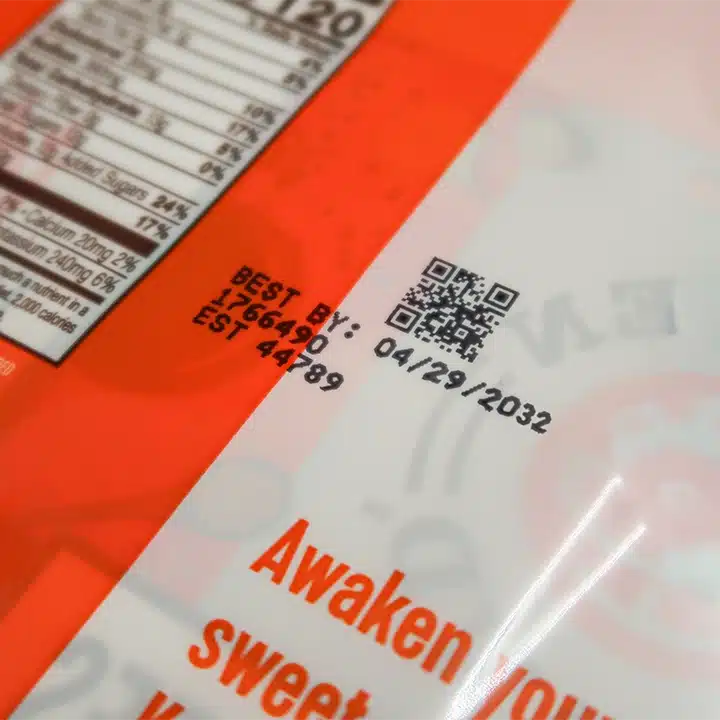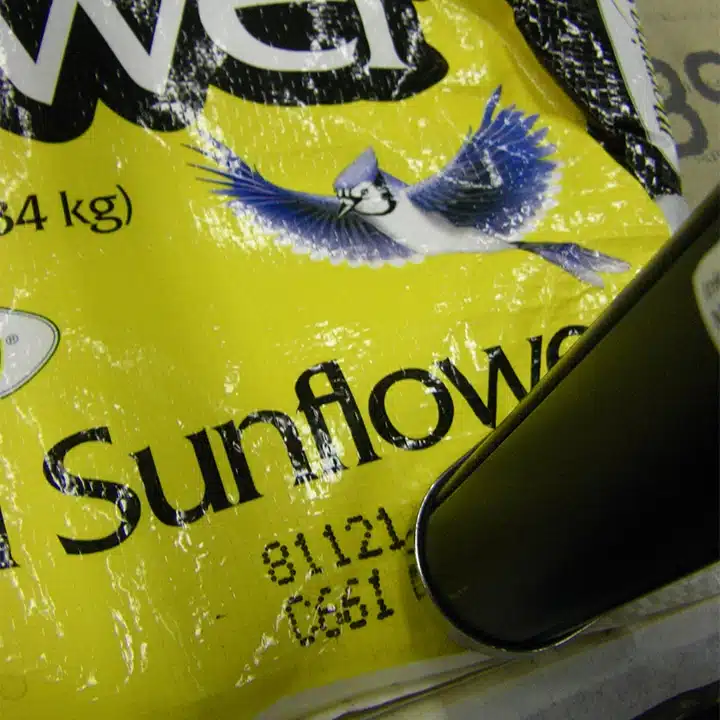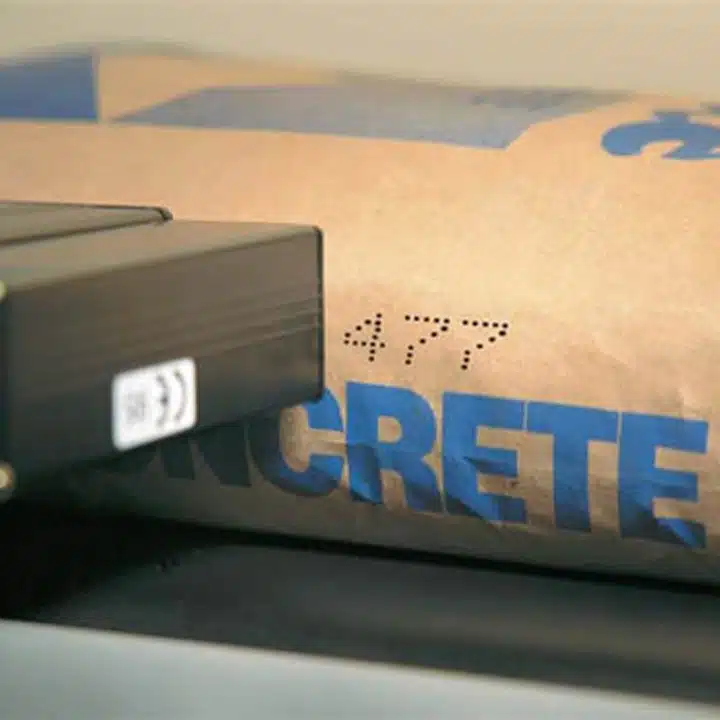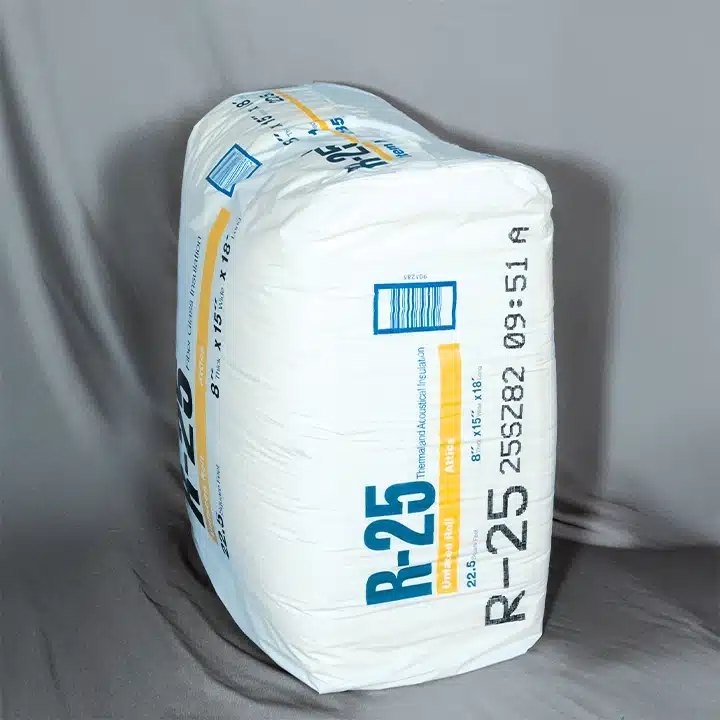
Clear, Readable Codes
Improved Supply Chain Visibility: Ensure codes remain readable throughout storage, shipping, and handling
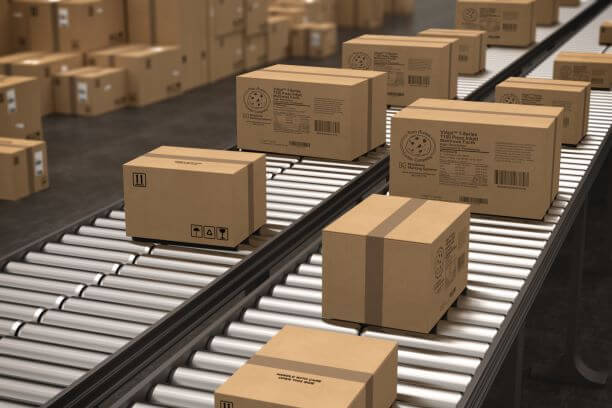
Reliable Barcode Performance: Generate machine-readable barcodes and 2D codes for tracking and inventory management
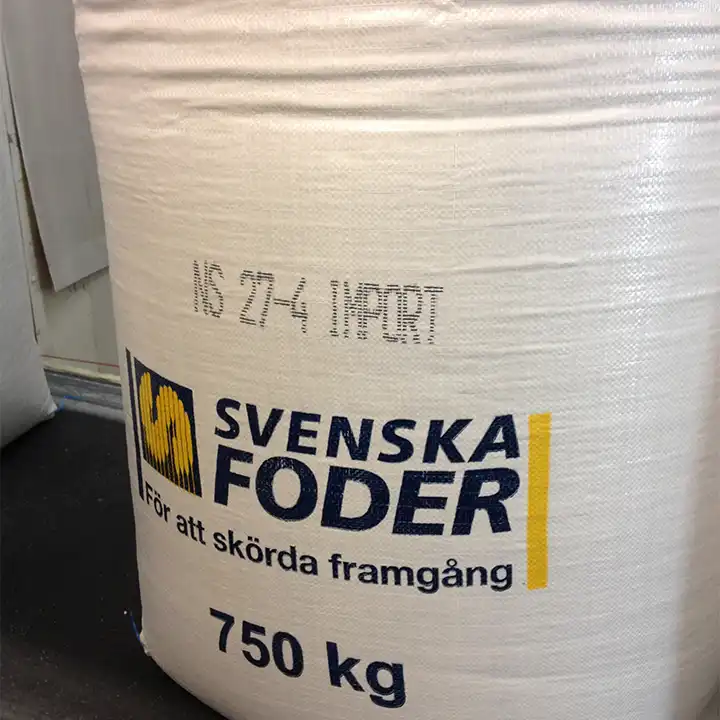
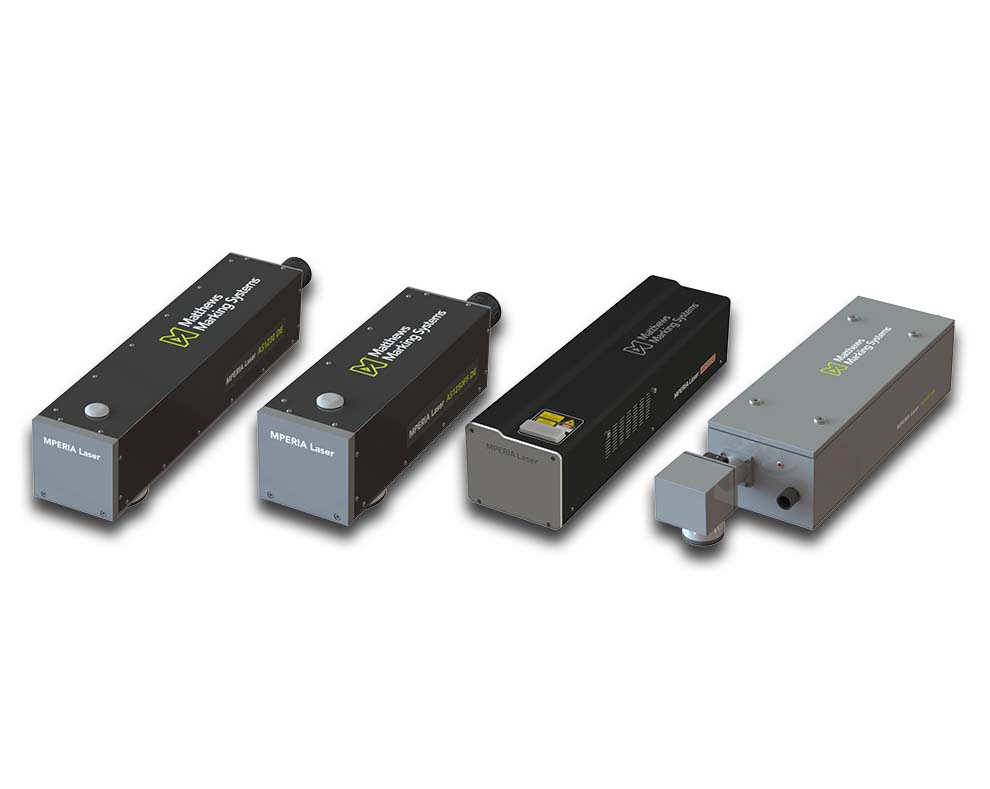
Integration starts with both the physical process and the data source. Understanding when the bag is stable enough to mark, where triggers occur, and how bag shape changes post fill is critical. On the data side, list required fields, change frequency, and the system of record. Matthews positions MPERIA as an integration friendly platform for centralized control, but clean integration depends on accurate line and data definitions.
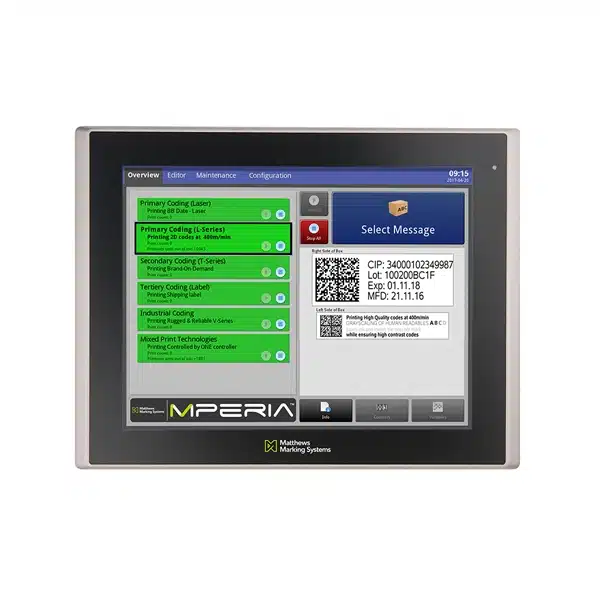
Inconsistency usually comes from setup differences and message control. When each line is configured or programmed differently, shift to shift variation is difficult to avoid. Centralizing job control helps reduce this variation by using common interfaces and definitions across lines. Matthews positions MPERIA to support centralized control across equipment types. Standards for mounting, print location, and verification are still required to achieve repeatability.
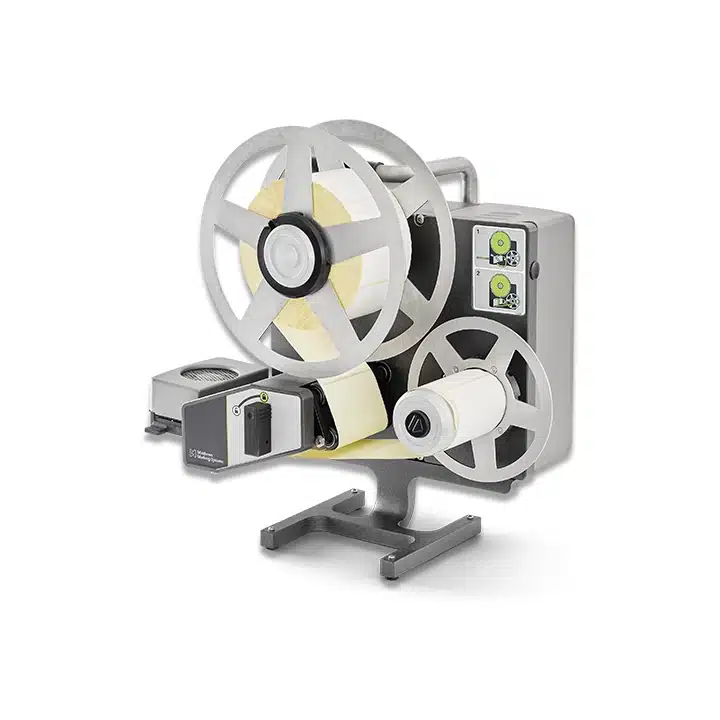
Print and apply labeling is often considered when direct printing struggles with inconsistent surfaces or when consistent placement is required for scan reliability. It can also reduce variability when dust or substrate conditions make direct print less predictable. Matthews positions the A Series automatic print and apply labeler for consistent placement, but labeling remains an application decision that should be validated for adhesion and durability in real conditions.
DOD valvejet is often chosen when reliability is critical and larger, bold characters are acceptable. It can tolerate longer throw distances and surface variation, which is common when marking filled bags. Matthews highlights V-Series DOD printers for durability in industrial environments. As with any method, performance depends on substrate and handling, so sampling on filled bags is recommended.
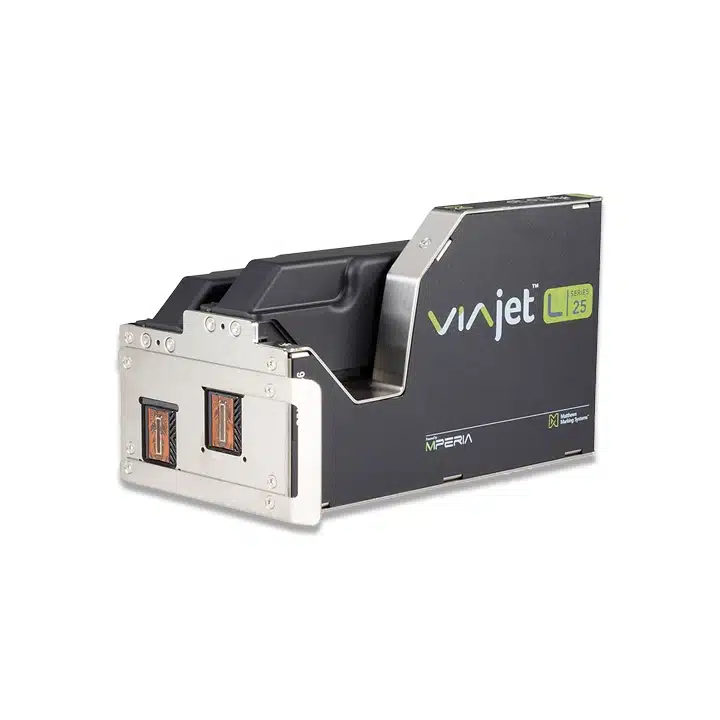
Thermal inkjet is typically considered when high resolution text, graphics, or machine readable codes are required at speed. Matthews positions L Series thermal inkjet printers for applications that demand fine detail, but consistent bag presentation remains critical. Even high resolution print engines rely on stable print zones. For 2D codes or small text, TIJ can be a strong candidate when validated on the actual bag material and line conditions.
Frequent message changes can introduce errors and short stoppages, especially when updates are handled manually at the printer. Centralized control helps reduce variation by standardizing job selection and changeover steps across lines. Matthews positions the MPERIA platform to support centralized control of marking operations. In practice, the benefit is fewer manual steps at the line and fewer opportunities to load incorrect messages. Results still depend on line layout and data flow, so defining ownership and lock down rules remains important.
Many bag lines operate in environments with moisture, elevated heat, or seasonal temperature changes. These conditions can affect ink dry time, label adhesion, and overall mark consistency. Matthews designs bag marking solutions for use in harsh industrial environments, but performance still depends on the substrate, mark type, and installation location relative to washdown areas, heaters, or open doors. Defining actual operating ranges and validating with samples helps reduce surprises after installation.
Dust and product fines can settle on bag surfaces and marking equipment, reducing adhesion, contrast, and consistency. Over time, this can create print defects that appear intermittent and increase maintenance demands. Bag operations often combine dust with vibration and variable bag shape, which can introduce gradual alignment drift. Treating the environment as part of the application—by selecting tolerant equipment, appropriate mounting, and a manageable cleaning routine—helps reduce unplanned intervention during long runs.
Durability is largely determined by what happens after printing. Bags are rubbed, stacked, and transported, so abrasion is a common failure mode. Preventing degradation usually involves matching the marking method and consumables to both the substrate and the handling the bag will experience. Ink selection, cure or dry time, and mark placement all play a role, since high contact areas tend to wear faster. A practical approach is to print samples and run simple rub and handling tests that reflect normal operations.
Start by controlling the print zone. Textured or woven surfaces create small peaks and valleys that can break up fine characters and soften barcode edges. In most cases, mechanical stabilization comes first—using guides, rails, or controlled contact points to reduce movement and flatten the print area. If the bag is marked post fill, curvature and inconsistent fill shapes should be expected. From there, select a marking method that performs reliably on the actual surface condition, not an idealized one. Sampling is often the most direct way to confirm legibility on challenging substrates.
In bag marking, the substrate is the bag material itself—the surface receiving the mark. Common substrates include plastic films, paper bags, and woven materials. The substrate influences ink adhesion, dry time, contrast, and how much the surface flexes after printing. It also affects whether direct printing is viable, whether labeling is more reliable, or whether laser marking is compatible. Identifying the substrate family and the actual surface finish in the print area is an important starting point, since “plastic” alone can describe very different marking behaviors.
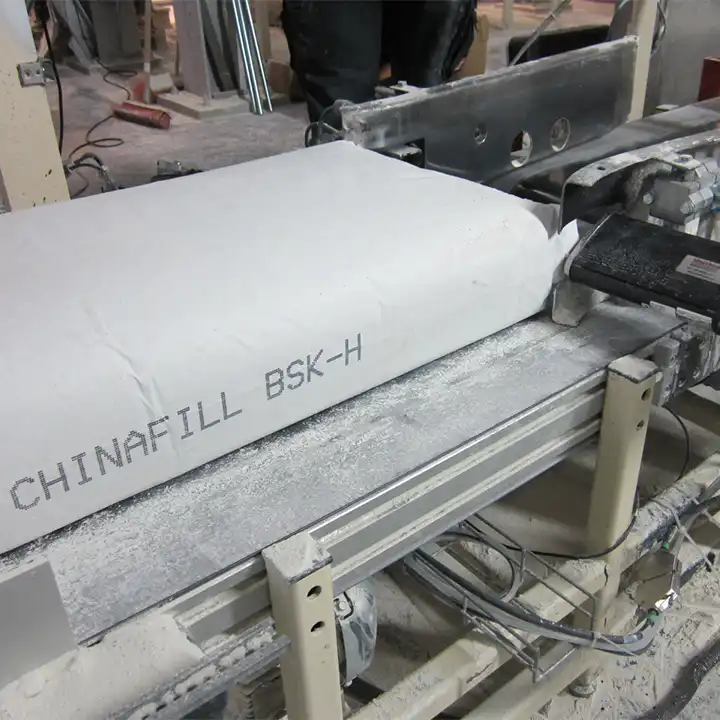
Bags present a moving print surface. As the line runs, the material can flex, wrinkle, or curve, which makes it harder to maintain a consistent print gap and print zone, especially when marking post fill. Bag substrates also vary widely. You may be marking smooth plastic film, porous paper, or woven materials, each of which behaves differently with ink, labels, or laser. Environmental factors such as dust, humidity, heat, or cold can further affect mark quality over the course of a shift. For many bag lines, stabilizing the print area with guides, rails, or engineered mounting is necessary to maintain consistent results.
Our experts are available to assure that your next printing solution maximizes efficiency, enhances quality, and limits downtime. Contact us to get a quote, request samples, schedule a demonstration, or receive additional product information.