
Why CO2, Fiber, and UV Lasers are the Future of Eco-Friendly Marking
Sustainability is no longer just a buzzword in manufacturing—it’s a business imperative. Companies are under increasing pressure to reduce waste, lower their carbon footprint, and comply with stricter environmental regulations. One of the simplest yet most impactful ways to achieve these goals is by switching from traditional marking technologies to laser marking systems.
From CO2 to fiber to UV lasers, these advanced marking solutions offer manufacturers and contract packagers an eco-friendly alternative that eliminates consumables, reduces energy consumption, and enhances product sustainability. Let’s dive into why laser marking is the key to a greener future.
1. No Consumables = No Waste
One of the biggest environmental drawbacks of traditional Continuous Inkjet (CIJ) printing is its reliance on consumables—inks, solvents, and cartridges that not only cost money but also create significant waste. Used cartridges and excess ink contribute to landfills, while solvents release harmful volatile organic compounds (VOCs) into the atmosphere.
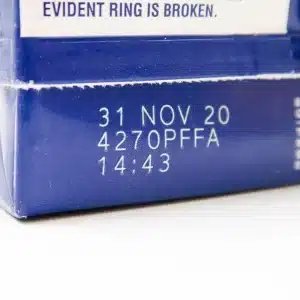
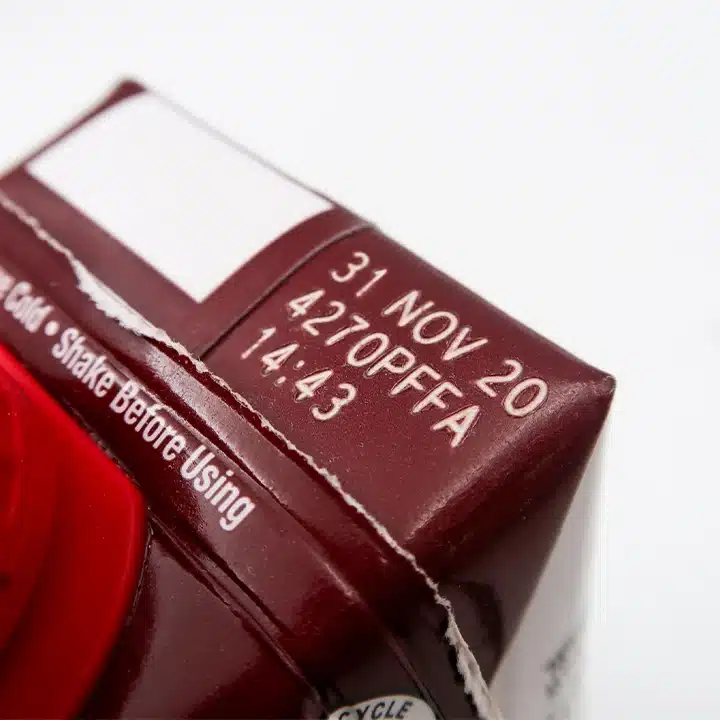
Laser marking, by contrast, requires zero consumables. It permanently etches marks directly onto the substrate using high-intensity beams of light, eliminating the need for ink, solvents, and labels. This means:
- No ink waste
- No disposal of used cartridges
- No chemical emissions
By reducing consumable waste, manufacturers can lower their environmental impact while cutting operational costs—a win-win for sustainability and the bottom line.
2. Energy Efficiency: Doing More with Less
Energy consumption is a major consideration in sustainable manufacturing. While all industrial equipment requires power, some marking solutions are more efficient than others.
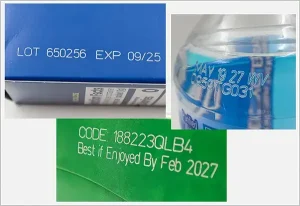
CO2 lasers are widely used for marking on packaging materials like cardboard, coated paper, and plastics. While they require a modest amount of energy, modern CO2 laser systems—like those powered by MPERIA®—are designed for efficiency, delivering high-speed, high-quality marks with minimal energy consumption.
Fiber lasers are among the most energy-efficient marking solutions available. They consume significantly less power than CO2 lasers and are ideal for marking metals, plastics, and flexible films. With a diode lifespan of approximately 100,000 hours, fiber lasers offer long-term energy savings with minimal maintenance.
UV lasers are an emerging sustainable alternative to thermal transfer printing (TTO), particularly for marking on flexible films and plastic packaging. Unlike TTO, which requires ribbons and ink, UV lasers create permanent, high-contrast marks using nothing but light, reducing waste and increasing operational efficiency. In short, lasers allow manufacturers to mark more products using less energy—an essential step toward lowering a plant’s carbon footprint.
3. VOC-Free, Chemical-Free, and Compliant
Traditional ink-based marking systems release VOCs, which contribute to air pollution and can pose health risks to workers. With regulatory bodies tightening restrictions on emissions, businesses need to find cleaner, safer marking solutions.
Laser marking systems are completely VOC-free. Because they don’t require inks or solvents, they eliminate the need for hazardous chemicals, making production environments safer for employees while helping companies stay compliant with environmental regulations.
Switching to laser marking can also enhance corporate sustainability credentials. Manufacturers that adopt VOC-free marking solutions can more easily meet sustainability goals and qualify for green certifications or tax incentives related to environmentally friendly operations.
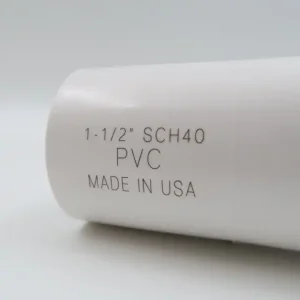
Fiber lasers create precise, permanent marks on PVC and other plastics without consumables or chemicals.
4. Sustainable Packaging and the Circular Economy
The push for sustainable packaging is driving changes across industries, from food and beverage to pharmaceuticals and consumer goods. Many companies are transitioning to recyclable and biodegradable packaging materials, but one challenge remains: ensuring that printed codes and markings don’t compromise recyclability.
Unlike ink-based printing, which can contaminate recyclable materials, laser marking is a clean process that does not interfere with material integrity. This means:
- Recyclable packaging stays recyclable.
- No risk of ink contamination.
- Stronger alignment with circular economy initiatives.
Whether marking on cardboard boxes, PET bottles, or aluminum cans, laser technology ensures that manufacturers can meet both sustainability and traceability requirements without compromising eco-friendly packaging efforts.
5. Durability That Reduces Waste
Sustainability isn’t just about reducing waste—it’s also about increasing product longevity. CIJ codes can fade, smear, or become unreadable over time, leading to rejected products, costly rework, and unnecessary material waste.
Laser markings, however, are permanent and resistant to wear, chemicals, and harsh environmental conditions. This ensures that:
- Expiration dates remain legible throughout the product lifecycle.
- Barcodes and QR codes remain scannable for traceability.
- Fewer products are wasted due to unreadable marks.
For industries like pharmaceuticals and medical devices, where clear, lasting markings are critical for compliance and safety, lasers provide an unmatched sustainability advantage.
6. Future-Proofing Operations for Sustainability Compliance
Environmental regulations are only going to get stricter. Governments worldwide are introducing policies that require manufacturers to reduce waste, lower emissions, and adopt greener technologies. By switching to laser marking, companies can future-proof their operations against regulatory changes while enhancing their reputation as sustainability leaders.
Key benefits include:
- Compliance with global sustainability regulations.
- Reduced carbon footprint for ESG (Environmental, Social, and Governance) goals.
- Potential tax incentives for adopting eco-friendly technologies.
For manufacturers looking to stay ahead of the curve, laser marking isn’t just an upgrade—it’s a strategic investment in long-term sustainability.
The Future is Laser-Focused on Sustainability
Sustainability is no longer optional—it’s a competitive advantage. Laser marking technology is helping manufacturers and contract packagers reduce waste, eliminate VOC emissions, cut energy costs, and support sustainable packaging efforts.
Whether it’s CO2, fiber, or UV lasers, each technology offers unique benefits that contribute to cleaner, greener manufacturing. By making the switch, businesses can enhance efficiency, meet environmental goals, and position themselves as leaders in sustainable production.
Ready to make the switch to sustainable marking? Contact us today to learn more about how laser marking can help your operation reduce waste, improve efficiency, and stay ahead of sustainability regulations.