

Scalable Marking Systems: How Manufacturers Grow Production Without Overhauls
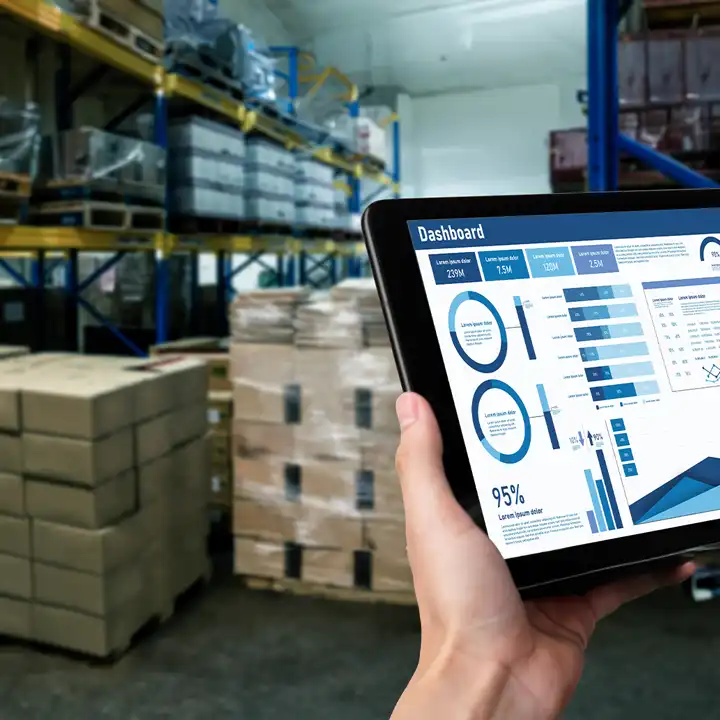
As manufacturers scale operations to meet demand, one challenge stands out: expanding capacity without sacrificing quality or uptime. Scalable marking systems solve this by adapting to production changes with minimal disruption—no full system overhauls required. From integration to support for multi-line operations, these systems enable businesses to grow smarter and faster.
Understanding Scalability in Production
Scalability in manufacturing refers to a system’s ability to grow with your business—handling higher volumes without a loss in performance or quality. A scalable system can boost output by upgrading technology or processes while maintaining operational efficiency.
Scalable marking systems allow manufacturers to meet rising demand quickly, without requiring a complete rework of their production lines. This kind of flexibility helps reduce lost sales during demand spikes and improves overall responsiveness.
Even more importantly, scalability enhances efficiency. For example, this 3PL provider used a more adaptable system to cut over 99% of downtime and 95% of setup time. A scalable approach leads to higher output, fewer errors, and stronger bottom-line results.
The Importance of Scalable Marking Systems
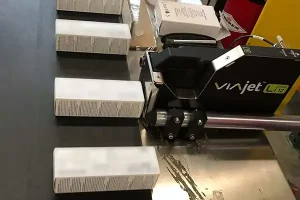
Marking systems are the unsung heroes of manufacturing. They ensure products are properly labeled, traceable, and compliant. But as production expands, the demands on those systems grow too.
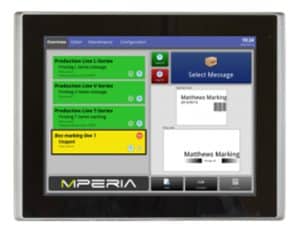
Scalable marking solutions allow manufacturers to add capacity without swapping the entire marking setup. Systems like MPERIA® integrate easily into existing lines and can manage multiple technologies from a single interface, supporting everything from inkjet to laser.
As you grow, a reliable marking system becomes more than a compliance tool—it becomes a competitive advantage. Flexible marking technology ensures you stay efficient, accurate, and ready to meet regulatory demands, whether you’re expanding product lines or operating across multiple sites.
Identifying the Right Scalable Solutions
To find the right scalable marking solution, look for versatility. Whether that means accommodating different substrates, integrating new product lines, or handling fluctuating volumes, adaptability is key.
Some key features to prioritize:
- Multi-technology support (inkjet, laser, thermal transfer)
- Compatibility with various materials and shapes
- Easy integration with your software stack and production equipment
- Remote access and monitoring for distributed production
A platform like MPERIA ® can help centralize control, automate adjustments, and eliminate the need for line-by-line programming. Scalable marking systems that support growth without slowing you down are the ones worth investing in.
Addressing Challenges and Misconceptions
One common misconception is that scalability requires ripping out existing systems. Scalable marking often means building on what’s already there—optimizing workflows, layering in new tech, and enhancing connectivity.
Another challenge is consistency across multiple lines or locations. Without the right platform, mismatched systems can introduce errors and slow down production. That’s why systems like MPERIA, which centralize control and offer modular expansion, make so much sense for growing operations.
Training is also crucial. Teams that understand how to operate and troubleshoot scalable systems will adapt faster and reduce downtime. The tech is only as scalable as your people are prepared to use it.
Future Trends in Scalable Marking
Looking ahead, one of the clearest trends in scalable marking is a growing emphasis on sustainability and traceability. As regulations tighten and consumer expectations shift, manufacturers are leaning into cleaner, more efficient operations.
Organizations like GS1 are continuing to push for greater transparency and global traceability standards, which is putting pressure on brands to adopt marking systems that support standardized barcodes, serialization, and data sharing across the supply chain. If you aren’t tracking it already, be sure and put GS1’s Sunrise 2027 on your radar.
At the same time, sustainability goals are shaping equipment decisions. Manufacturers are opting for systems that reduce consumables, lower energy use, and generate less waste—without compromising speed or code quality.
These trends aren’t about flashy new tech—they’re about practical shifts that position manufacturers for long-term, responsible growth.

Final Thoughts
Scalable marking systems do more than print codes—they unlock new levels of flexibility, performance, and control. Whether you’re ramping up production or preparing for future growth, investing in the right marking platform now can save you time, money, and headaches later.
Explore our full library of case studies to see how other manufacturers are growing with Matthews. Ready to find your fit? Get in touch with our team to learn more.