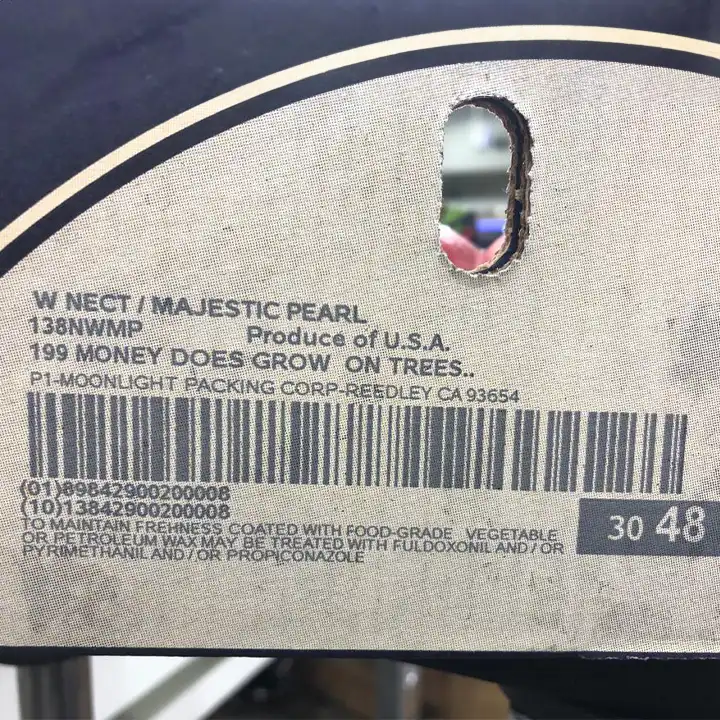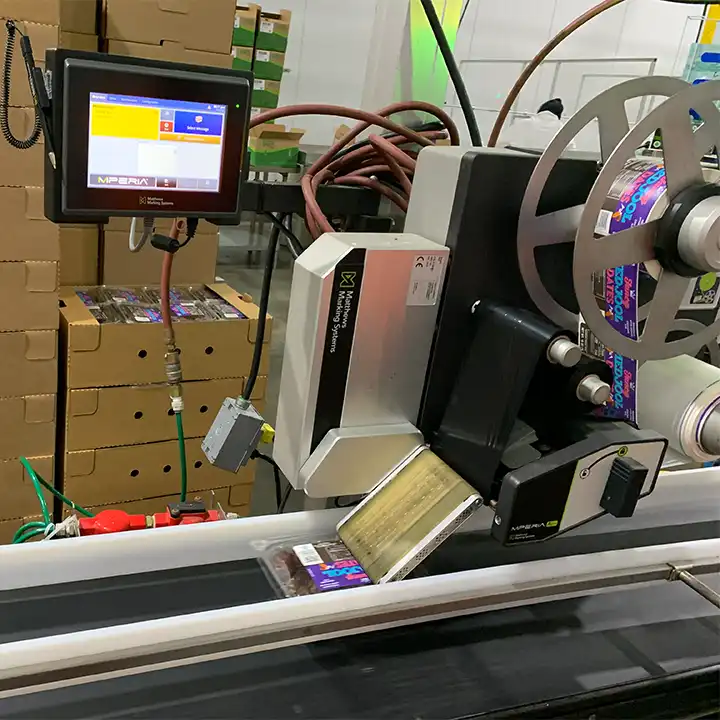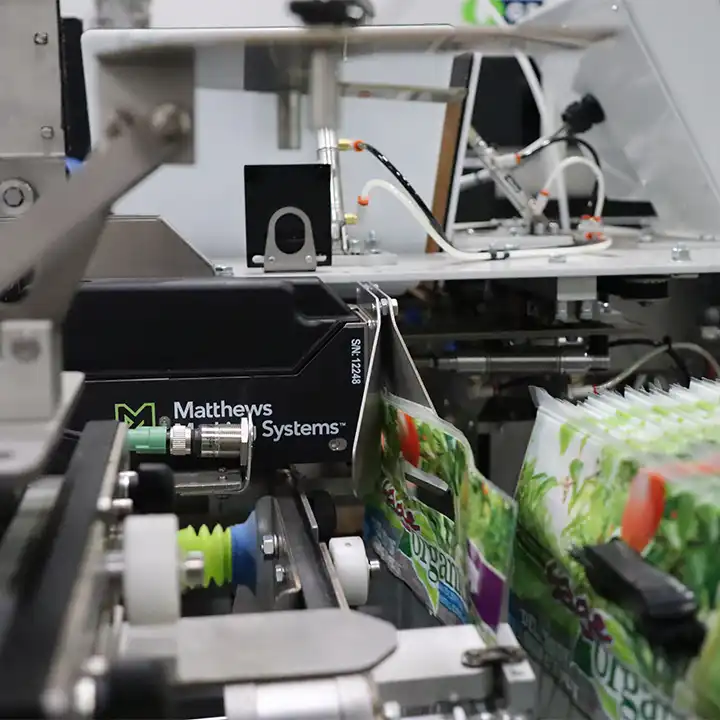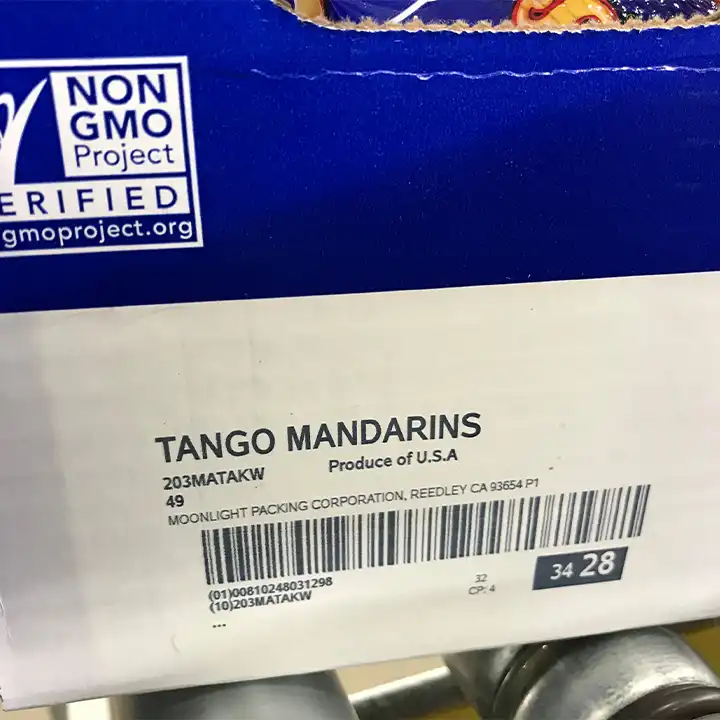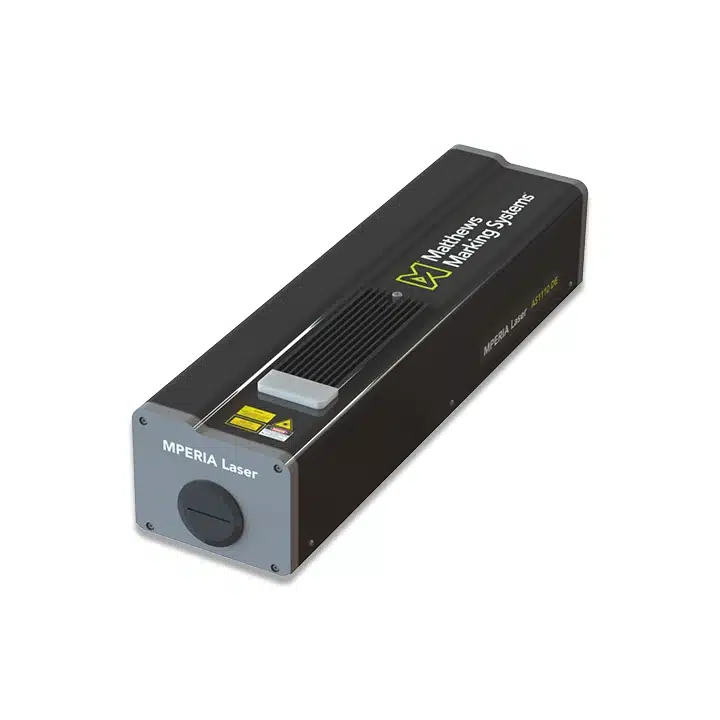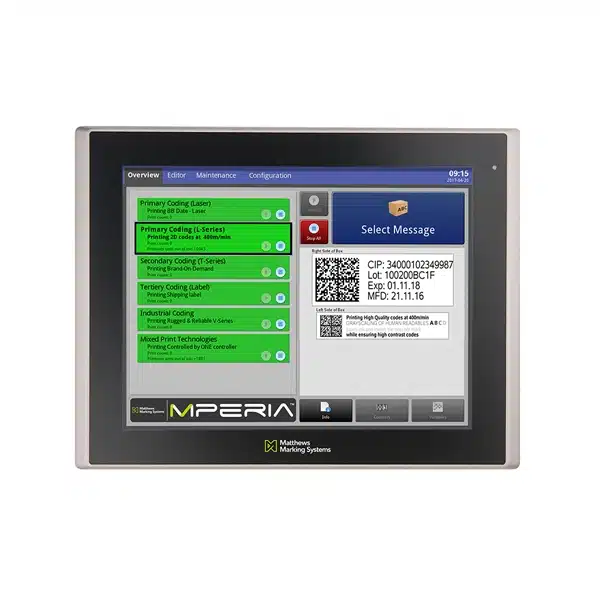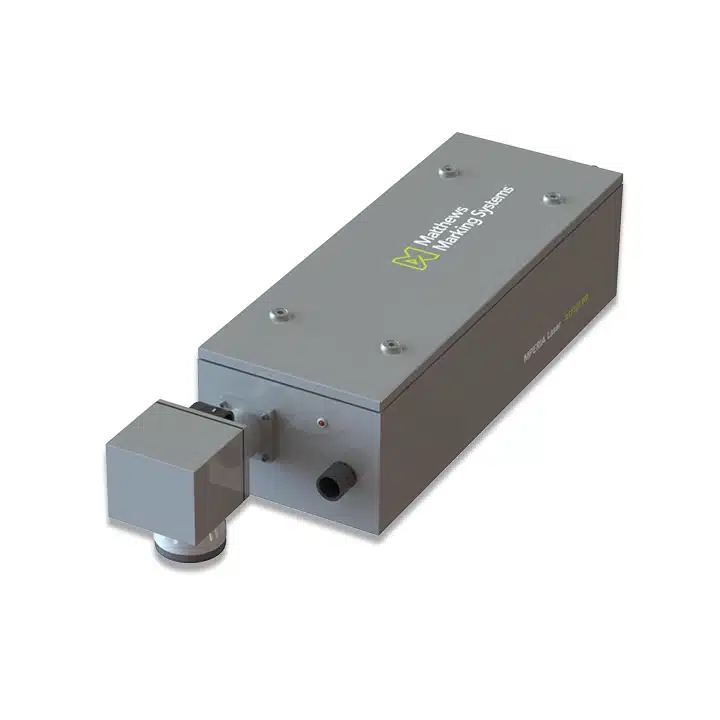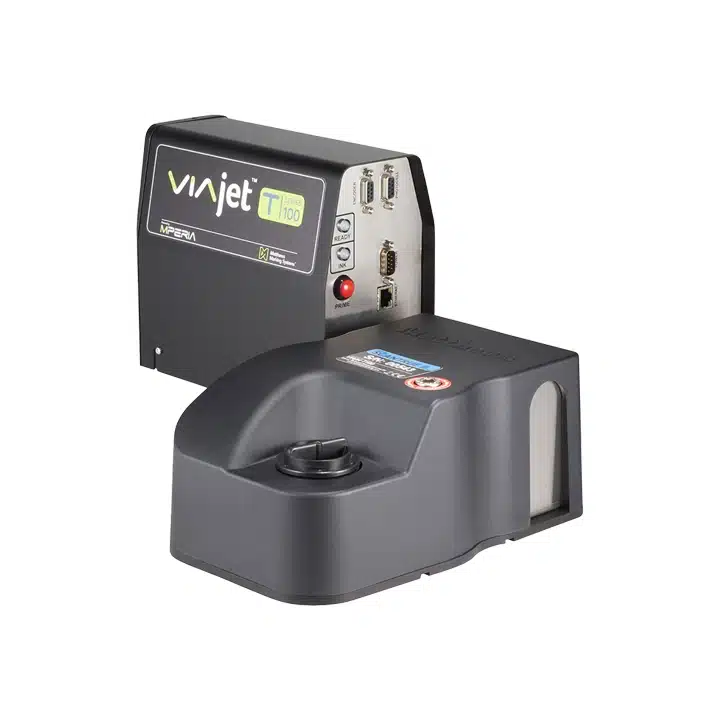
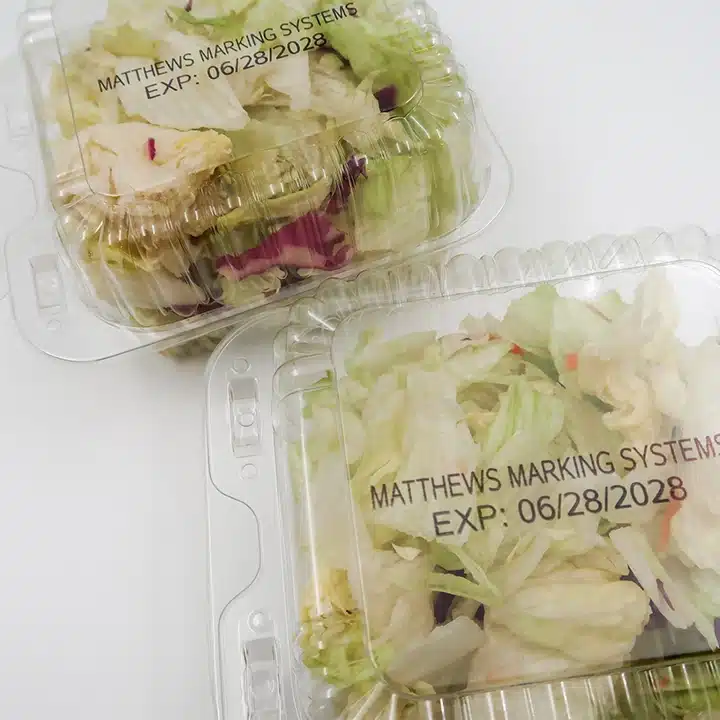
Fresh salad container with an inkjet printed expiration date for food packaging identification.

Produce Marking

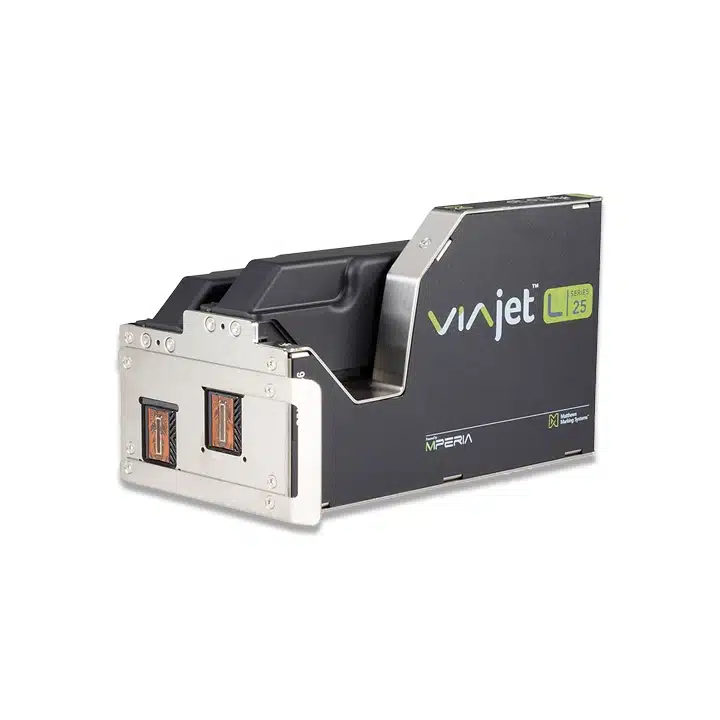
Produce has a broad range of marking needs and requirements. Whatever your product line, with the right inkjet printing technology you’ll get clean, clear reliable marks along with greater speed and efficiency, reduced costs and improved traceability – internally and through the supply chain.

Why Choose Matthews for Produce Marking?

Improve Produce Traceability

Track Products Throughout the Supply Chain: Print lot codes, pack dates, grower information, and traceability data with confidence

Support Food Safety Programs: Accurate product identification helps simplify tracking, recalls, and compliance initiatives

Improve Supply Chain Visibility: Ensure products can be identified from packing facility to retail shelf
Adapt to Changing Packaging Requirements

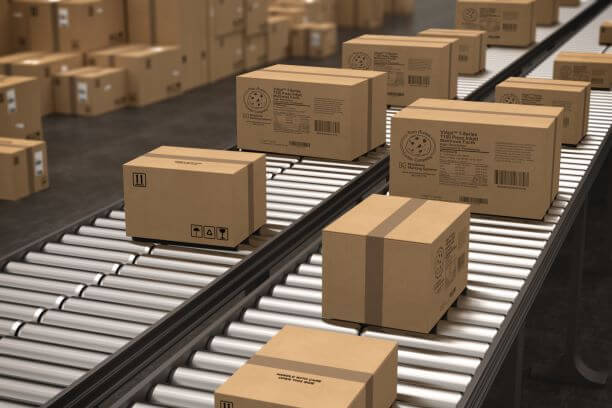
Mark Virtually Any Produce Package: Print on cartons, cases, trays, clamshells, labels, bags, and corrugated packaging

Support Seasonal & Product Changes: Quickly update product information, varieties, and customer-specific requirements

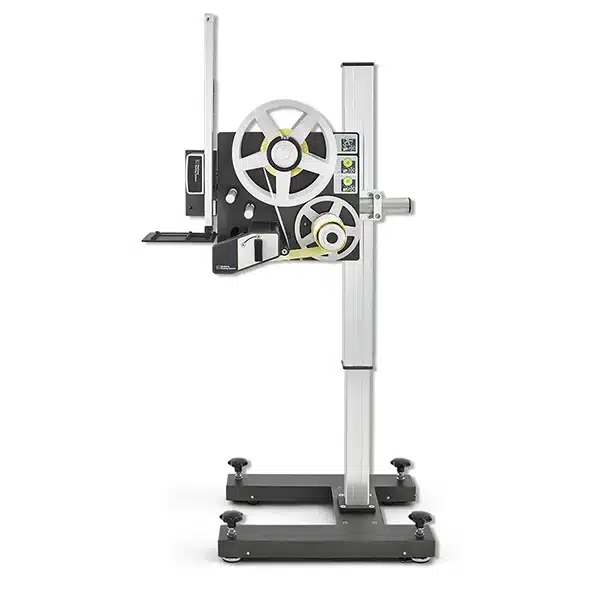
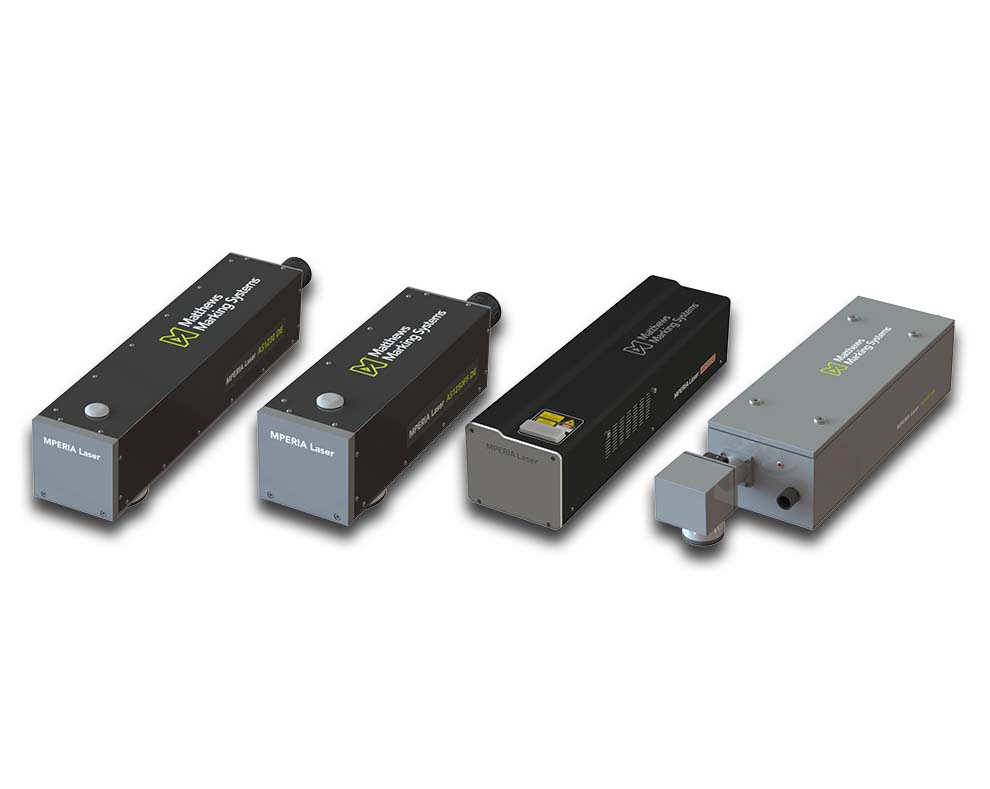
Flexible Coding Solutions: Choose from direct printing, labeling, and automated case marking technologies

Maximize Packing Line Efficiency

Keep High-Speed Operations Running: Maintain code quality without slowing production

Reduce Manual Processes: Automate marking and labeling to improve consistency and accuracy

Minimize Downtime: Reliable systems help keep packing and distribution schedules on track

Frequently Asked Questions

Why does the code look good at setup but drift later in the shift?

Drift typically results from changes in temperature, humidity, condensation, packaging supply, or handling—not from the printer itself. It can also be introduced by manual adjustments made during production. Identifying the variable that changed is key to restoring consistency.

Why do codes smear or look uneven on bags and labels?

Smearing and uneven marks are usually tied to substrate behavior and downstream contact. Flexible film can shift at the print point, and label coatings can vary. Smear often occurs when packages contact guides or each other before the mark stabilizes.

What should we plan for with frequent washdowns?

Washdowns affect equipment placement, protection, and long term consistency. In produce environments, reliability means maintaining readable marks as conditions change—not just printing well at startup.

How do moisture and condensation affect codes?

Moisture from washdowns, cold chain transitions, and condensation can reduce contrast and consistency, especially if codes are placed where water pools or packages contact each other. These conditions often reveal weaknesses in placement or substrate selection.

Where do vision systems and barcode readers fit with produce marking?

Vision and scanning systems are used to confirm presence, readability, and data accuracy. This is especially valuable when running multiple SKUs or packaging formats. The inspection point should be where the package is stable and the code is fully visible.

Can we connect marking to ERP, MES, or WMS systems?

Many operations integrate marking with upstream systems to reduce manual entry, which is a common source of errors. Automating data flow supports traceability while reducing operator burden, especially on fast moving produce lines.

How does centralized control help with multiple lines and frequent changeovers?

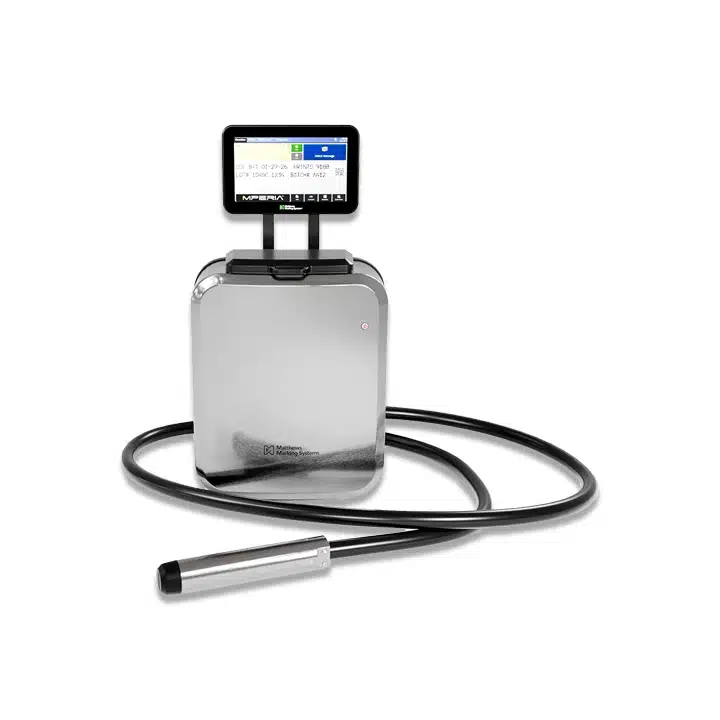
Produce lines often change SKUs frequently, and small data errors can lead to scrap, rework, or product holds. Centralized control helps standardize how messages are created, selected, and updated across lines, reducing manual steps and variation during changeovers.

Can we support GS1 or other traceability standards without overcomplicating operations?

Most teams succeed by focusing on consistent data and consistent execution. Data must come from the correct source, and marks must be applied the same way every time. Centralized control and integration help reduce manual entry and variation, which are common sources of traceability errors.

How do we keep 2D codes scannable on produce packaging?

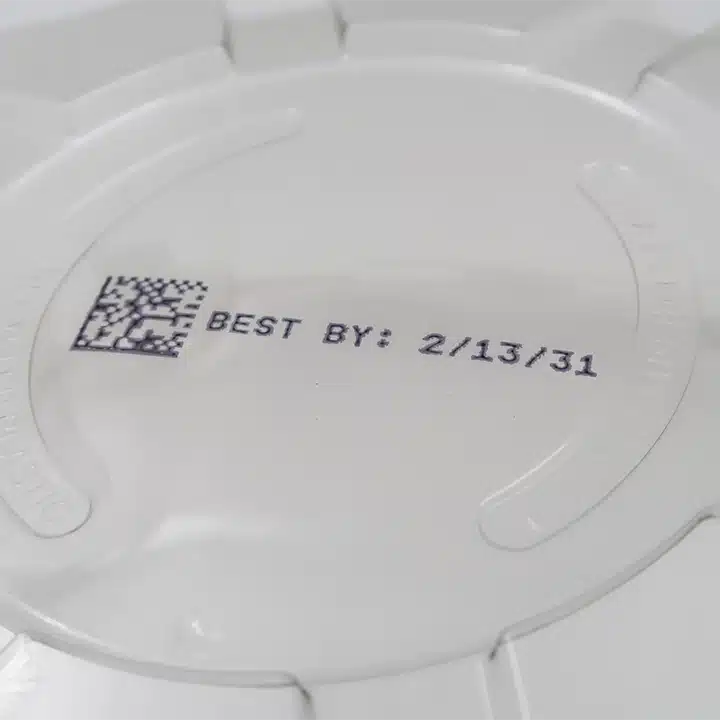
Scan reliability depends on stable placement, adequate contrast, and a print area that does not stretch, wrinkle, or collect condensation. On flexible packaging, a code that scans at setup may fail later if moisture increases or bag behavior changes. On rigid plastics, glare and surface texture can reduce contrast. Validating performance across the full shift is often more important than initial setup results.

What information do produce packers typically code on bags and containers?

Most codes include date or time, lot or batch, line or shift, and sometimes a product identifier tied to internal records. Some operations also use 2D codes to carry more data or support traceability workflows. Requirements vary by customer and channel, so the starting point is understanding what decision or verification the code must support—internal traceability, retailer compliance, or downstream handling.

What is the best way to mark corrugate cartons and cases for produce shipping?

Corrugate is generally more forgiving than film or rigid plastic, but print quality still depends on surface variability, dust, and downstream handling. Shipping cases often carry larger codes, multiple data fields, and sometimes 2D codes for traceability. Consistent readability through handling and stacking is typically the primary requirement.

Should we print directly on clamshells, or use labels?

Both approaches are used successfully. Labels provide a consistent print surface across multiple container designs and can be more forgiving on textured plastics. Direct marking on rigid containers can reduce label handling but depends on material, surface finish, and code placement requirements. The right choice depends on readability, durability, and whether the mark must remain on the container or be removable.

How do we get clean, readable codes on flexible film produce bags?

Flexible film bags are challenging because the surface moves, wrinkles, and can vary by supplier or thickness. Codes may distort if the bag is unstable at the print point or if the mark falls on seams, gussets, or high gloss areas. Moisture and temperature swings common in produce environments can further affect consistency over a shift. Reliable results typically start with stabilizing the print zone and matching the marking method to the bag material and operating speed.

What does “substrate” mean for produce packaging?

In produce operations, the substrate is the surface being printed or marked—typically the packaging, not the produce itself. Common substrates include flexible film bags, labels, corrugate cartons, and rigid plastic containers such as clamshells. The substrate influences how a code appears, how long it remains readable, and how reliably it scans. It also affects which marking approach is appropriate, since flexible film, rigid plastic, labels, and corrugate behave very differently under real line conditions.

Contact a Solutions Engineer

Our experts are available to assure that your next printing solution maximizes efficiency, enhances quality, and limits downtime. Contact us to get a quote, request samples, schedule a demonstration, or receive additional product information.