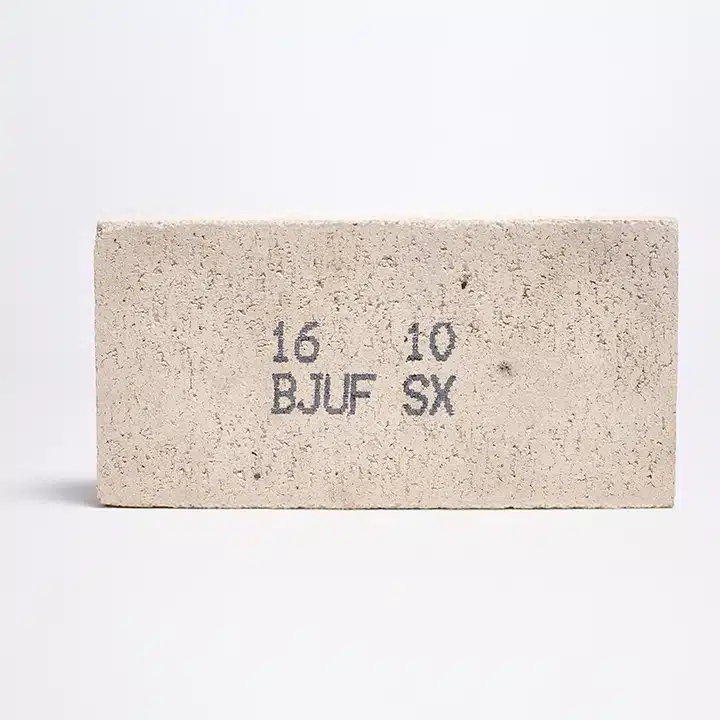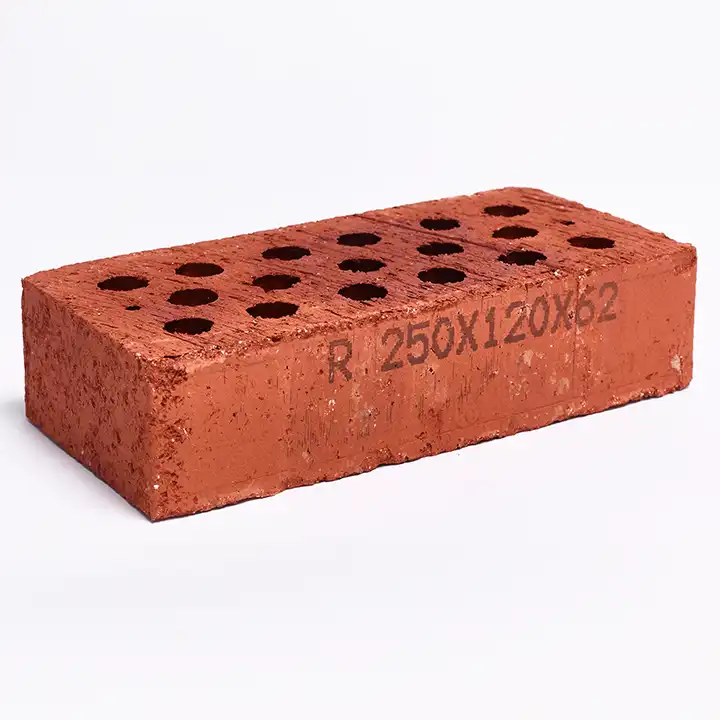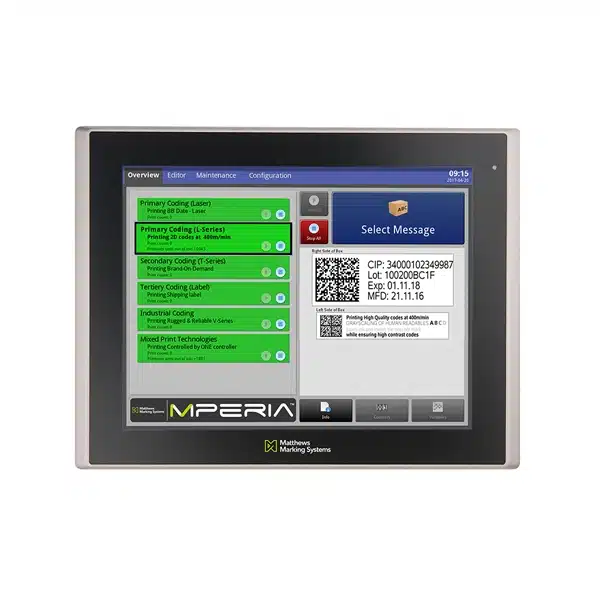
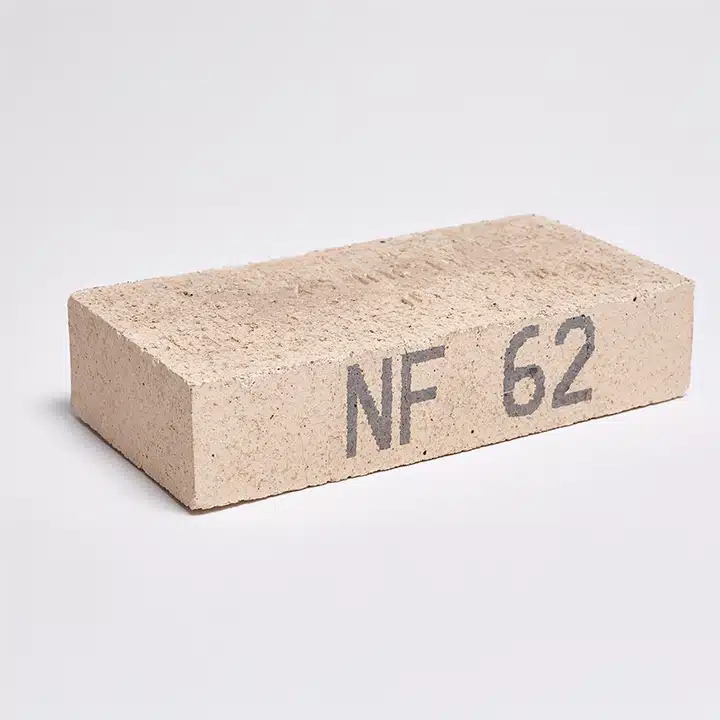
Identification code printed directly on a clay brick for product tracking and traceability.

Stone & Brickwork Printing and Marking

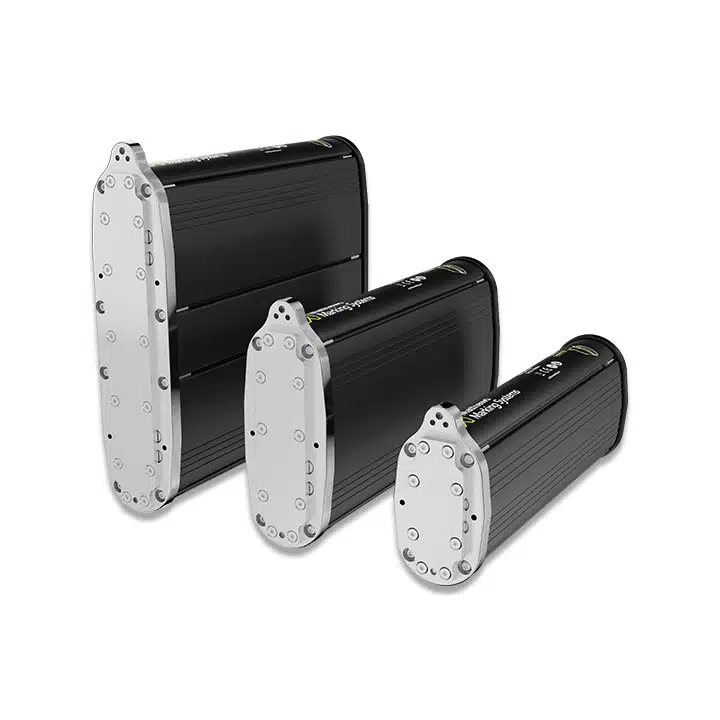
As an industrial producer, your inks and marking equipment need to work reliably in highly challenging manufacturing environments. Whether you’re printing product identification specs, lot numbers, codes directly on brick or stone or pallets; Matthews offers a line-up of workhorse, printers and labelers that give you great flexibility while standing up to the toughest conditions.

Why Choose Matthews for Brick & Concrete Marking?

Durable Product Identification

Marks That Last: Apply product information designed to remain visible throughout manufacturing, storage, transportation, and installation

Built for Harsh Conditions: Create readable marks that withstand outdoor exposure, handling, and demanding job site environments

Improved Product Recognition: Clearly identify products, specifications, and manufacturer information directly on the product
Reliable Traceability

Production Data on Every Product: Print batch numbers, manufacture dates, plant information, and product specifications in real time

Support Quality Programs: Connect finished products to production records and quality control data

Improve Inventory Visibility: Simplify product tracking throughout warehousing and distribution operations

Maximize Production Efficiency

Keep Production Moving: Maintain print quality without slowing manufacturing throughput

Reduce Manual Processes: Replace hand marking and secondary labeling with automated printing solutions

Streamline Product Identification: Print variable information directly on products as they move through production

Frequently Asked Questions

Can we use barcodes or 2D codes on brick and stone?

In some cases, yes—but success depends on surface consistency, contrast, and scanner requirements. Rough or porous surfaces limit how small a code can be before edges break down and scan reliability drops. When consistent scanning is critical, placing codes on packaging or pallet labels with controlled surfaces is often more dependable. The practical approach is to define scan distance and scanner type, then validate performance on real product samples.

What ink considerations matter most for brick and stone substrates?

Ink selection depends on porosity, dust levels, and whether the mark must withstand weather exposure or handling. Building materials substrates can be rough, porous, dusty, oily, hot, or wet, which makes ink performance highly application dependent. Testing on production grade material is often necessary to avoid durability or readability issues after startup.

When is print-and-apply labeling the better option?

Print and apply labeling is often chosen when direct product marking is inconsistent, when placement must be highly repeatable, or when marking bags or pallets for logistics and inventory tracking. Good fit when: Scan reliability and placement consistency are critical. Consider another approach when: Labels will face abrasion, moisture, or contamination that compromises adhesion.

When does Thermal Inkjet (TIJ) make more sense than DOD?

TIJ is typically considered when higher resolution marks, such as smaller text, cleaner edges, or more detailed codes, are required and the print zone is stable enough to support that level of precision. On highly variable or rough surfaces, TIJ may require frequent adjustment, in which case marking packaging or increasing character size on product can reduce intervention.

When is Drop-on-Demand (DOD) inkjet a good fit for brick and stone?

DOD is often selected when bold, readable marks and reliable operation are required in harsh production environments. It is commonly used on rough or uneven surfaces where uptime and legibility matter more than fine detail. Good fit when: Rough surfaces, dust, and production continuity are primary concerns. Consider another approach when: Very small text or high density codes are required on smoother surfaces.

What are the most common causes of smearing, fading, or “dirty” looking codes?

Common contributors include dust, moisture, and surface roughness. Dust can interfere with mark formation and reduce contrast. Moisture can slow drying and increase smearing risk. Porous or uneven textures can pull ink into low spots, softening edges and reducing clarity. Addressing these issues usually involves selecting a more stable print zone, increasing character size where possible, and choosing a marking approach designed for harsh building materials environments rather than clean packaging conditions.

Why do characters look incomplete, broken, or inconsistent across bricks?

Incomplete marks are typically driven by substrate variability and environmental conditions rather than printer faults. Rough textures, pits, and dust can interrupt mark formation. Variations in product position can change the print gap, amplifying broken characters, while vibration or unstable movement can distort placement. In most cases, improvements start with mechanical control, stabilizing product presentation and the print zone, before adjusting technology or settings to match what the surface can realistically support.

Should we mark the product, the bag, or the pallet?

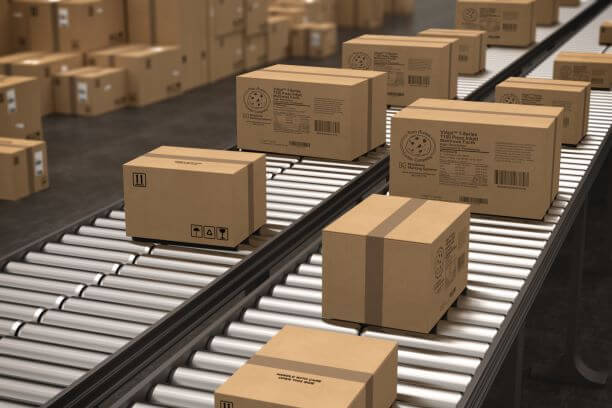
The answer depends on who needs to read the mark and when. Direct product marking places identification or branding on the brick or stone itself. Marking bags or pallets is often more reliable when product surfaces are too rough, dusty, or variable for consistent readability, or when traceability through shipping and inventory is the primary requirement. Many plants use a combination of product marking for internal identification and packaging or pallet labeling for logistics reliability.

Why is marking on brick and stone more difficult than many other materials?

Brick and stone surfaces are often uneven, porous, and inconsistent from unit to unit. Dust is common, and products may be wet or hot depending on where marking occurs in the process. These conditions can lead to smearing, incomplete characters, or marks that appear acceptable at startup but degrade as production continues. The operational objective is consistent readability on real product at production speed, without repeated adjustments or operator intervention.

What products and surfaces does “brick and stone” usually include?

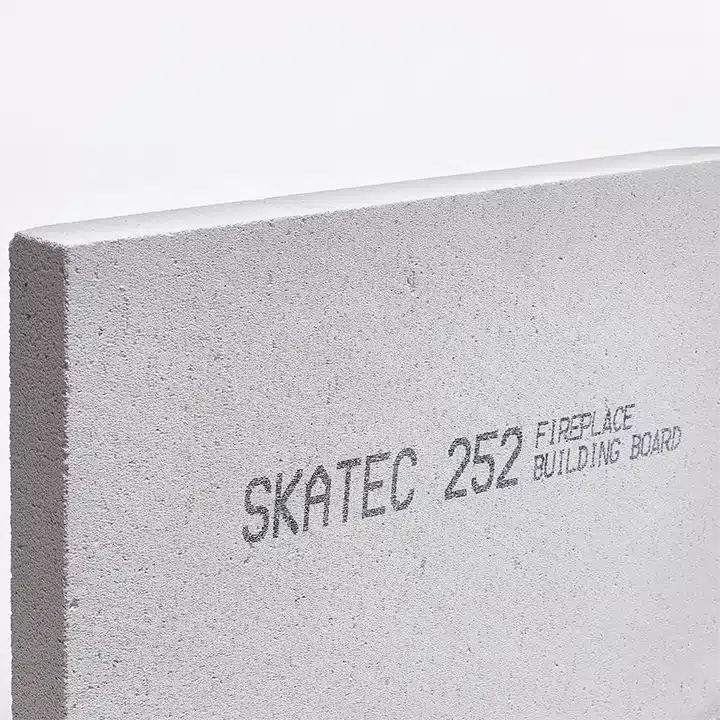
Most operations in this category mark brick, concrete bricks and pavers, clinker, AAC (autoclaved aerated concrete), tiles, and granite or stone slabs. The appropriate marking approach depends on surface texture (rough versus smooth), surface condition (dusty versus clean), and when marking occurs—such as immediately after production or later in the process after curing, washing, or packaging. Some operations also mark bags or pallets for identification and shipping traceability, which can provide more consistent readability when direct product marking is unreliable.

Contact a Solutions Engineer

Our experts are available to assure that your next printing solution maximizes efficiency, enhances quality, and limits downtime. Contact us to get a quote, request samples, schedule a demonstration, or receive additional product information.