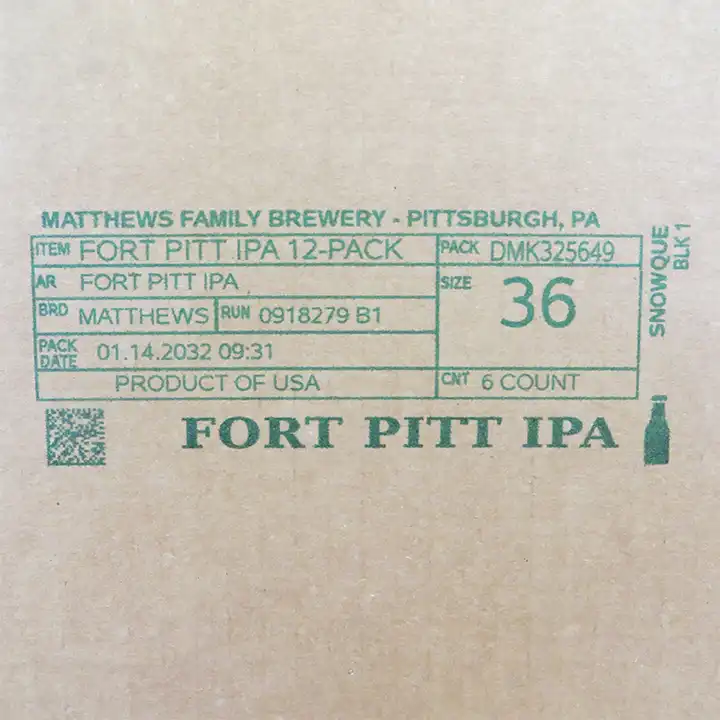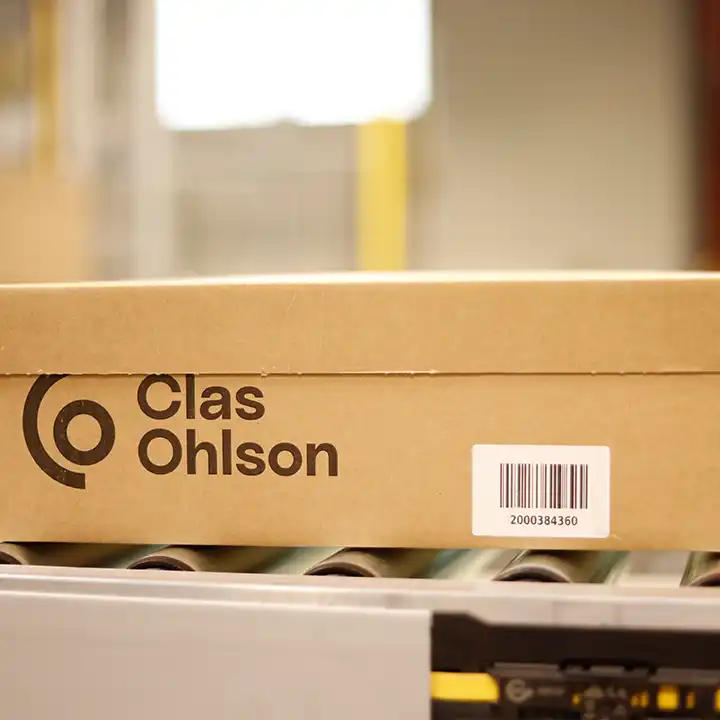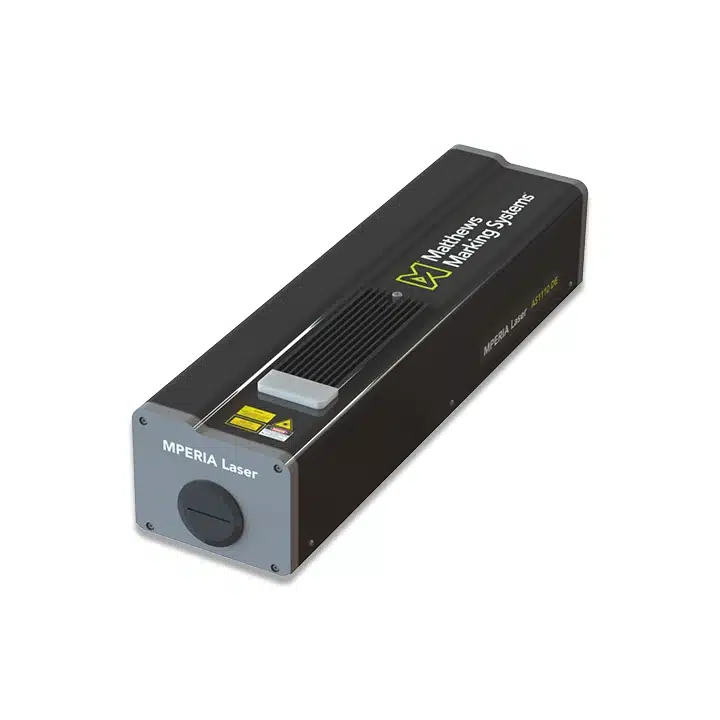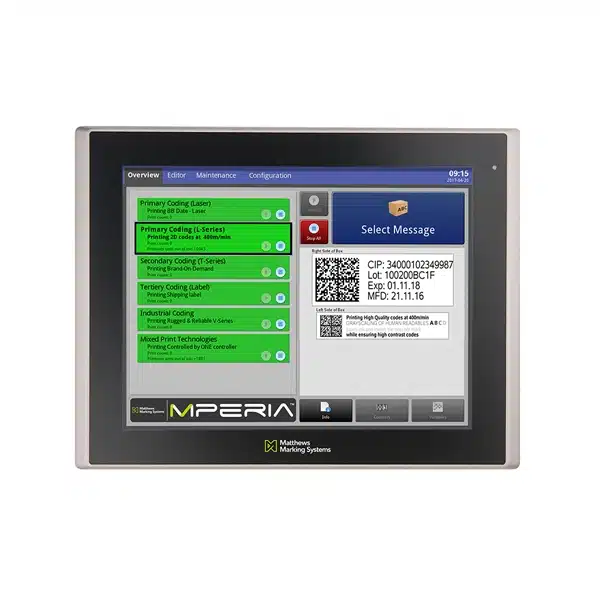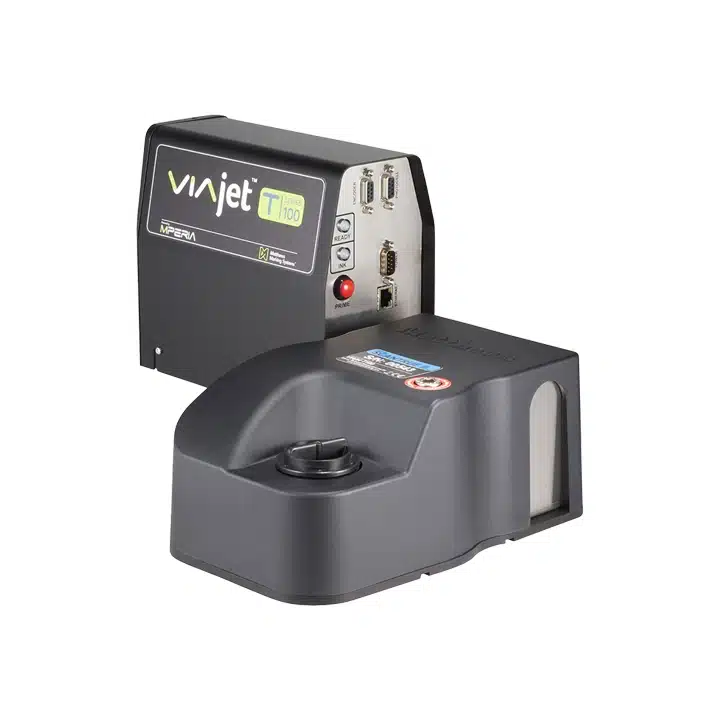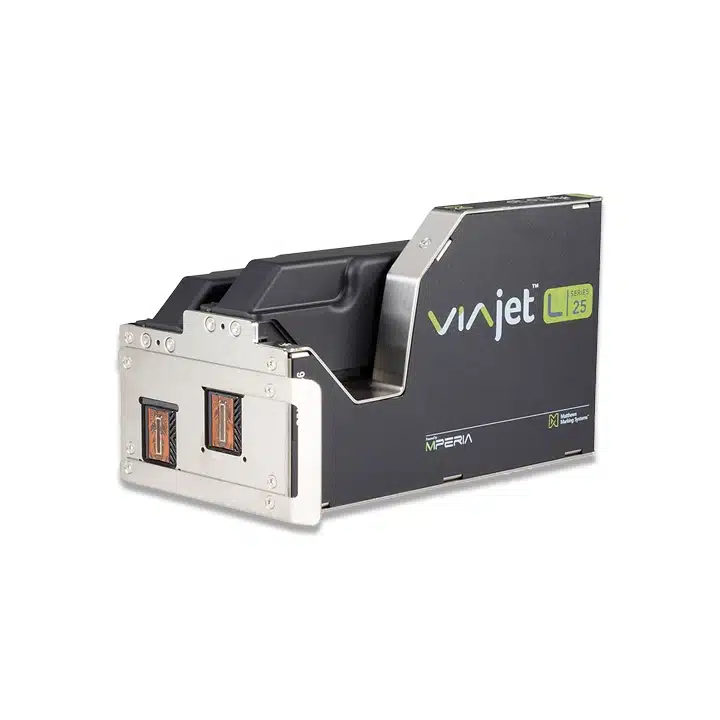
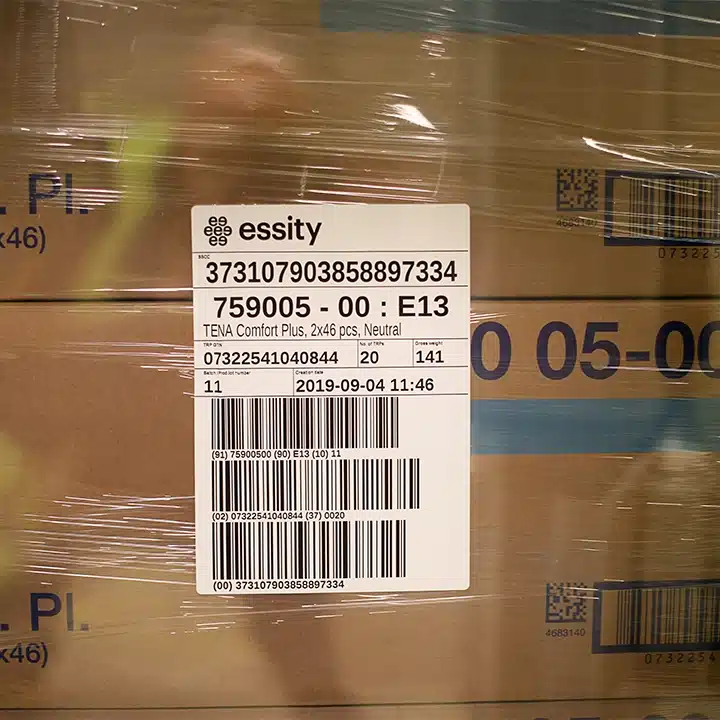
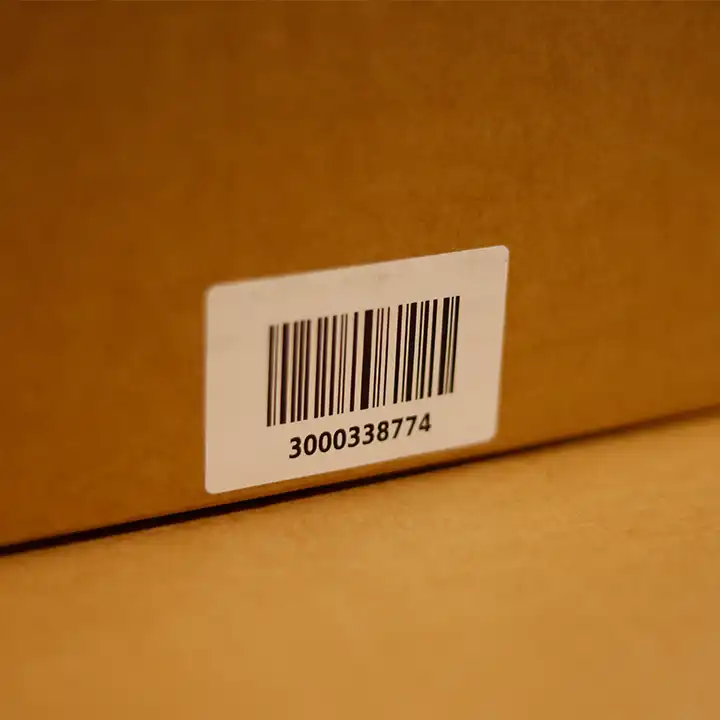
High-resolution text, barcode, and graphics printed directly on a corrugated shipping box.

Case Marking & Box Labeling

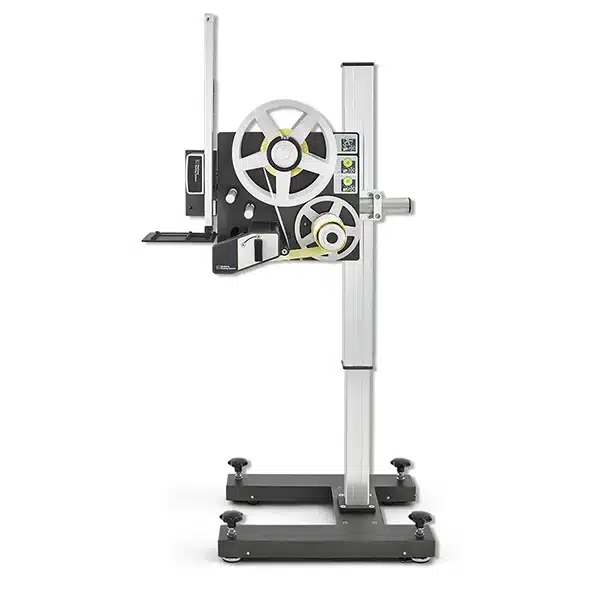
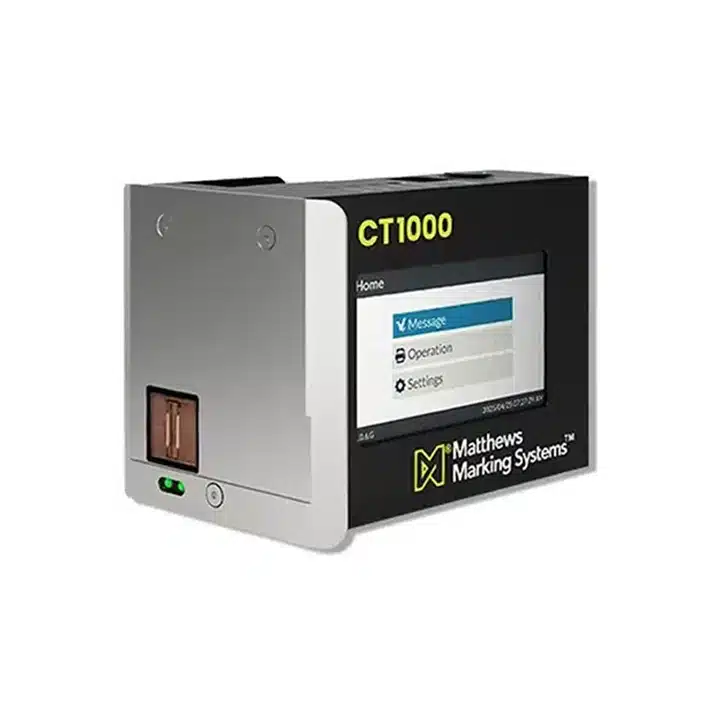
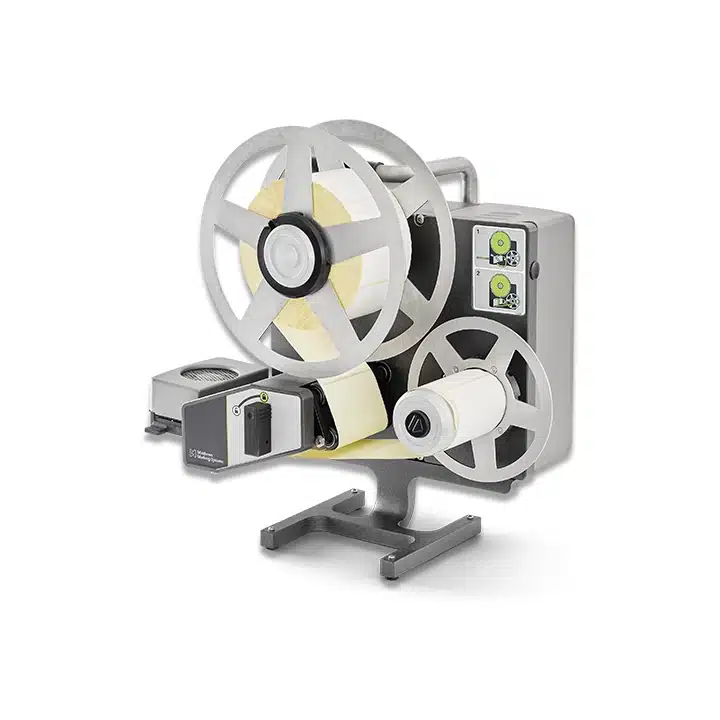
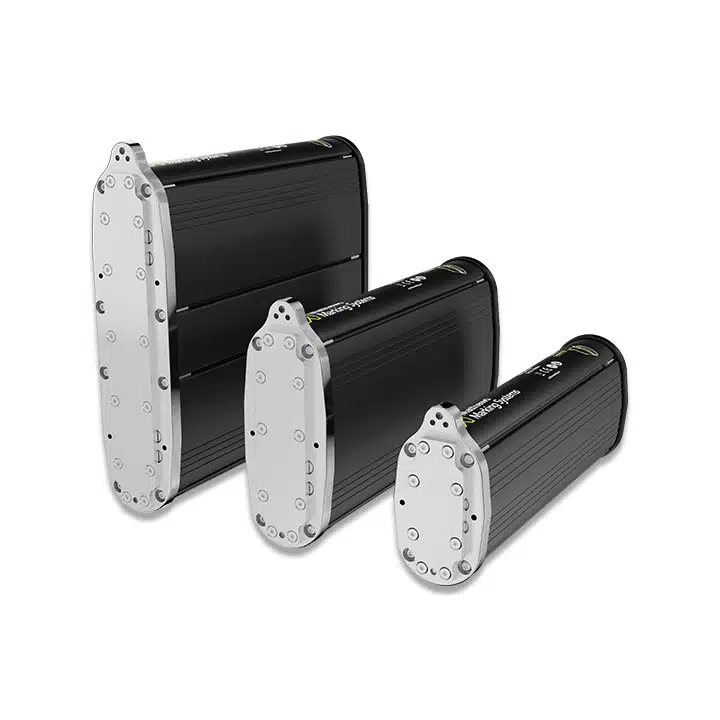
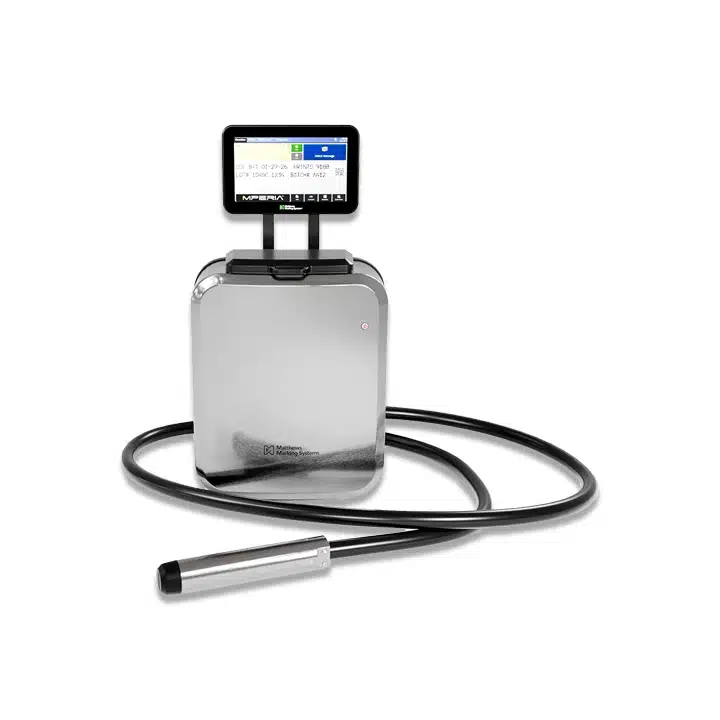
Maximize efficiency and reduce costs with flexible, low-maintenance box and case printing solutions. Print directly onto corrugated cartons for significant savings compared to traditional labeling, while easily handling various sizes and shapes. Matthews’ system covers everything from barcodes to large graphics, and automated labeling machines seamlessly integrate into production lines.

Why Choose Matthews for Case Printing & Labeling?

Improve Supply Chain Accuracy

Reliable Case Identification: Print barcodes, product information, lot codes, and shipping data clearly on every case

Fewer Shipping Errors: Accurate case marking helps ensure the right products reach the right destination

Enhanced Traceability: Track products across manufacturing, warehousing, distribution, and retail operations
Streamline Packaging Operations

Automated Identification Processes: Reduce manual labeling and coding tasks throughout production

Faster Product Changeovers: Update labels, barcodes, and product information with minimal downtime

Centralized Data Management: Manage messages, printers, and labelers from a single control platform

Built for High-Volume Production

Maintain Throughput: Keep pace with demanding packaging and distribution requirements

Consistent Mark Quality: Produce clear, readable information shift after shift

Maximize Uptime: Reliable systems help keep production and packaging lines running efficiently

Frequently Asked Questions

How do case printing and labeling systems integrate with the rest of the line?

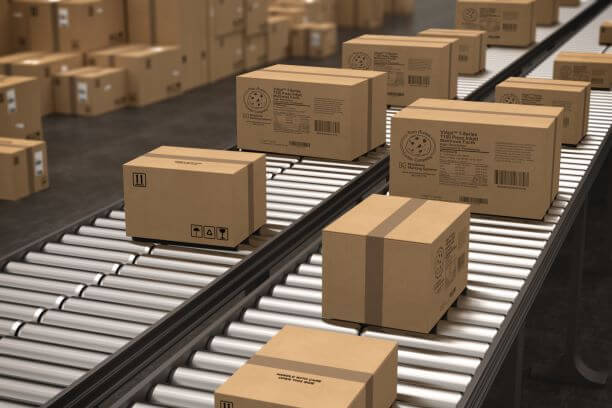
Case marking must work in step with conveyors, case sealers, checkweighers, scanners, and palletizing equipment. Integration considerations include: Physical placement and access, data exchange for variable information, and space constraints on existing lines. Matthews systems are typically configured to fit within these constraints rather than forcing major layout changes.

How much operator involvement should case marking require?

In a stable setup, operators should primarily monitor output, not make constant adjustments. Frequent intervention typically indicates misalignment between the marking approach and operating conditions. Reducing operator touchpoints helps: Improve consistency, lower training demands, and reduce shift to shift variation.

What causes most marking or labeling problems on cases?

Most issues stem from a small set of root causes: Changes in substrate quality or suppliers, dirty, worn, or misaligned print areas, and inconsistent upstream case handling. Addressing these early reduces repeated adjustments.

How does line speed affect marking quality?

As speeds increase, case movement, vibration, and spacing have a greater impact on placement accuracy. Stable marking at speed depends on: Consistent case presentation, synchronization with conveyor movement, and limited operator intervention.

What traceability information is typically marked on produce cases?

Produce cases are usually marked with both human readable and machine readable data, such as lot or batch, date and time, shift, and customer or routing information. The objective is consistent identification throughout production, storage, and distribution.

How does moisture and temperature affect case printing and labeling?

Cold rooms, condensation, and washdown environments are common in produce operations. Moisture can interfere with ink adhesion and label bonding, while temperature shifts change how substrates behave. Managing this requires: Marking approaches suited to the environment, reasonable protection of the print area, and attention during start ups and shift changes.

How do we ensure barcode readability on boxes and cases?

Readable barcodes rely on contrast, edge clarity, placement, and consistency. Common issues include low contrast on brown corrugate, uneven printing, or placement near seams or edges. Best practices focus on: Adequate contrast for scanners, preserved quiet zones, and placement on stable case surfaces

What about marking on produce containers like clamshells or crates?

Produce containers introduce different challenges. Clamshells may have curved or ribbed surfaces, while reusable crates and totes may show wear or retain moisture from washdown. Key factors include: Identifying flat, repeatable mark locations, ensuring surfaces are reasonably clean and dry, and considering handling and stacking contact points.

How does marking on produce bags differ from marking on boxes?

Produce bags are typically smooth plastic films that do not absorb ink and can move or flex during printing. Moisture and static can further affect mark quality. Consistent bag marking depends on: Controlled bag handling and tension, marking methods suited for non porous surfaces, and stable placement that preserves barcode quiet zones.

What challenges come with marking on corrugated cases?

Corrugated cases vary due to recycled content, flute structure, and coatings such as wax or moisture resistance. These factors affect ink absorption, edge definition, and contrast. In produce environments, cases may also arrive cold, damp, or dusty, further increasing variability. Reliable marking requires awareness of: Surface porosity and coatings, case stability and orientation, and conditions at the print location.

Should we print directly on cases or use print and apply labeling?

The right approach depends on what creates the most friction on your line. Direct case printing can reduce label handling and inventory, while print and apply labeling is often used for customer specific data, dense barcodes, or frequent artwork changes. Key considerations include: Substrate condition and consistency, barcode density and placement requirements, and SKU count and changeover frequency Cost of inaction: A mismatched approach can introduce manual relabeling, rescans, or rejected cases that quietly reduce throughput.

What does “substrate” mean in case printing and labeling?

In marking and labeling, the substrate is the surface being printed on or labeled. For boxes and cases in produce operations, common substrates include corrugated cartons (often recycled or wax coated), plastic film produce bags, and rigid or semi rigid containers like clamshells, trays, or reusable plastic crates. Substrate matters because surface texture, coatings, moisture, and temperature directly influence print adhesion, contrast, and durability.

Contact a Solutions Engineer

Our experts are available to assure that your next printing solution maximizes efficiency, enhances quality, and limits downtime. Contact us to get a quote, request samples, schedule a demonstration, or receive additional product information.