
Five Must-Know Tips for Laser Marking Integration: From Cost to Quality Control
Adopting laser marking technology can revolutionize production lines with enhanced efficiency and precision. However, the transition comes with challenges that manufacturers must address to ensure success. Here’s a breakdown of the key challenges and strategies to navigate them:
1. Initial Cost and Investment
The initial investment in laser marking equipment can be substantial, especially for small and medium-sized enterprises (SMEs). Upgrading or retrofitting existing production lines may also require additional spending on infrastructure and training.
Strategy:
Conduct a comprehensive cost-benefit analysis. While the upfront costs may seem high, the long-term savings from reduced consumables, lower maintenance, and increased productivity often justify the investment. Remember, a well-calculated return on investment (ROI) is crucial for making informed decisions.
Pro-Tip:
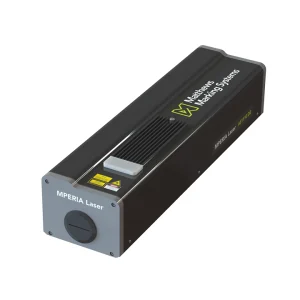
Include labor savings, including ink monitoring and refills, in your total cost of ownership (TCO) calculations for an accurate ROI. Visit our MPERIA® Lasers page if you’re shopping for a new marking system.
2. Technical Compatibility
Integrating laser marking systems into current production lines may necessitate modifications to ensure seamless compatibility. Differences in software, control systems, and production speeds can pose significant integration challenges.
Strategy:
Collaborate with laser marking system providers to develop customized integration solutions. Many providers offer tailored support, including system design, software customization, and mechanical integration. Conducting thorough testing and simulations before full-scale implementation can help identify and resolve potential technical issues.
Pro-Tip:
Reduce IT strain with seamless integration of your business systems (ERP, WMS, MES) and PLCs without middleware with our MPERIA controllers.
3. Safety Considerations
Lasers pose safety risks, such as eye injuries and skin burns, if not properly managed. Ensuring worker safety when integrating laser systems into a production environment is paramount.
Strategy:
Ensure all personnel are trained in laser safety, covering topics like laser classifications, protective equipment, and emergency procedures. Installing safety enclosures, interlocks, and warning systems around laser equipment is also essential. Regular safety audits will help maintain a safe working environment.
Pro-Tip:
Select a marking system provider who also offers custom engineered solutions if “off the shelf” enclosures won’t work for your production line.
4. Material Compatibility
Not all materials respond well to laser marking. Different materials may require different types of lasers (e.g., fiber, CO2, UV), and some may need pre-treatment or specific settings for optimal results.
Strategy:
Conduct thorough testing on all materials used in your production line to determine the most suitable laser type and settings. For diverse material needs, consider laser systems that offer versatility or the use of multiple laser systems to achieve consistent, high-quality marks across all products.
Pro-Tip:
Always get sample marks on your specific substrate before selecting a provider and specific laser product. There are also other marking products available if lasers aren’t ideal for your substrate.

Ensuring clear and precise laser marking on different packaging materials is crucial for maintaining product traceability and compliance.
5. Quality Control and Consistency
Maintaining consistent marking quality, particularly at high speeds or on various materials, can be challenging. Inconsistencies in mark depth, contrast, or alignment can affect product quality and compliance with industry standards.
Strategy:
Establish a routine calibration and maintenance schedule to ensure your laser marking system operates at peak performance. Integrating automated quality assurance systems can monitor and verify marking quality in real-time, allowing for immediate adjustments if deviations are detected.
Pro-Tip:
A control platform that can easily integrate third-party vision systems for mark verification will save you money and hassle. Fortunately, our MPERIA automated marking system has all the features you need when you need them.
Incorporating laser marking technology into your production line offers significant advantages, from reducing operational costs to enhancing product quality.

Conclusion
Successful integration requires careful planning and consideration of factors like initial investment, technical compatibility, and safety.
By addressing these five must-know tips—ranging from cost analysis to quality control—you can navigate the challenges and ensure a smooth transition to laser marking, ultimately optimizing your production efficiency and maintaining the highest standards of quality.