MPERIA® {{Axian AX1000 Inkjet (XIJ)}}

MPERIA® Axian AX1000 Inkjet (XIJ)

MPERIA® Axian AX1000 inkjet printer delivers high-speed, solvent-free marking with low maintenance. Print 2D codes and text with exceptional clarity for the consumer packaged goods (CPG) industry.

What is the MPERIA Axian AX1000 Inkjet (XIJ)?

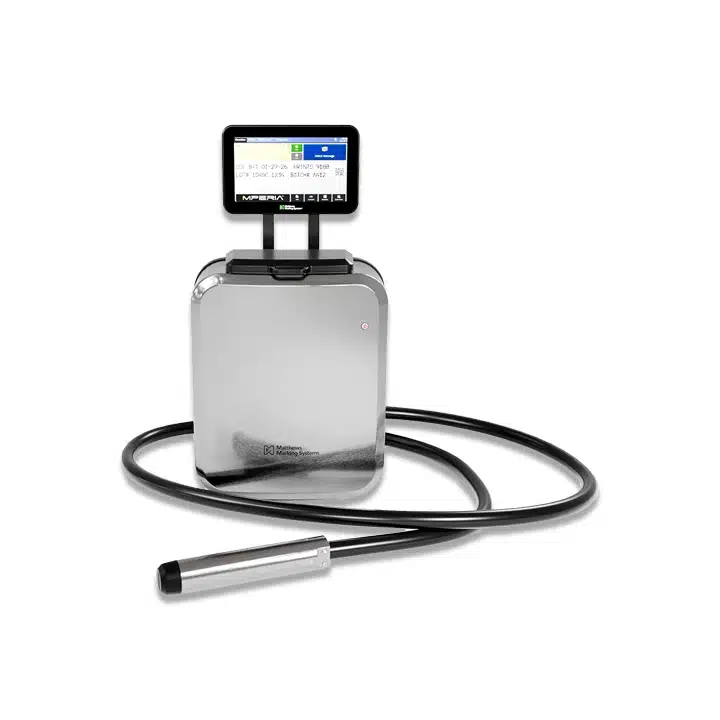
MPERIA Axian XIJ industrial inkjet printer for primary product marking and coding

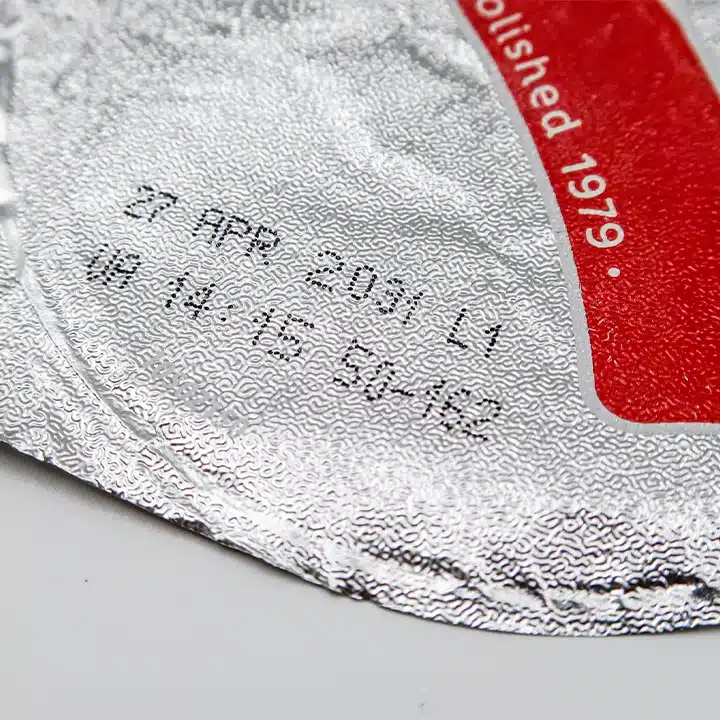
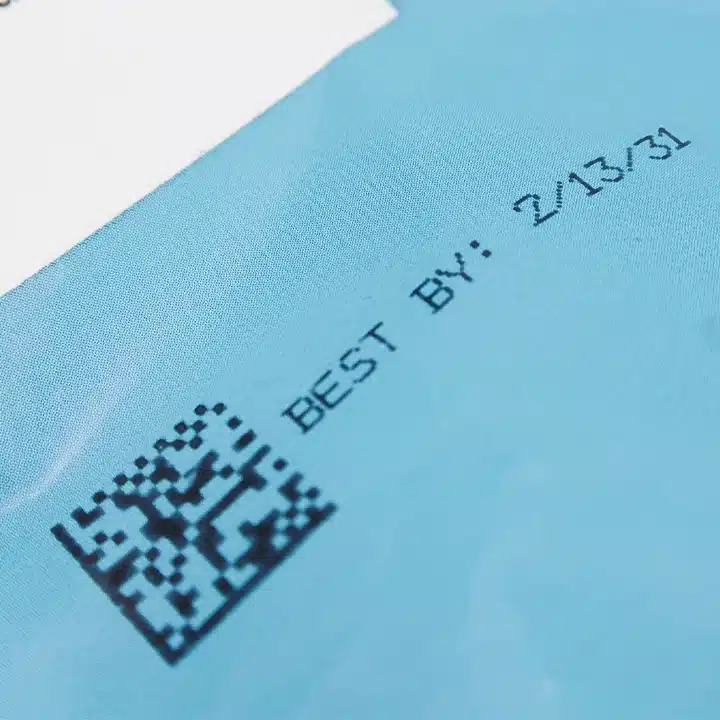
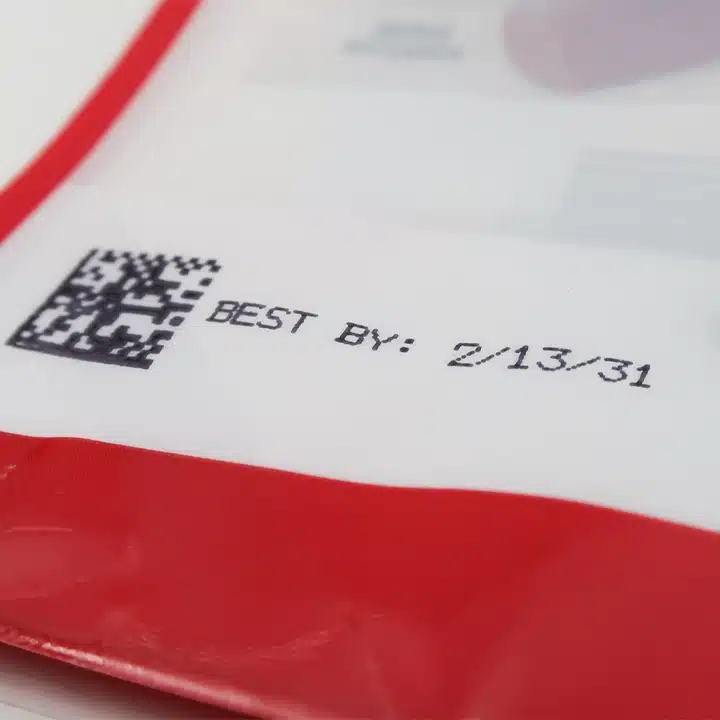
Designed for consumer packaged goods, Axian XIJ delivers precise product marking text and 2D codes at production speeds.

Meet Axian XIJ, the small‑character inkjet that blends the flexibility of CIJ with the clean, low‑maintenance operation of TIJ, so you can print multiple lines of text and 2D codes at real production speeds without sacrificing readability.

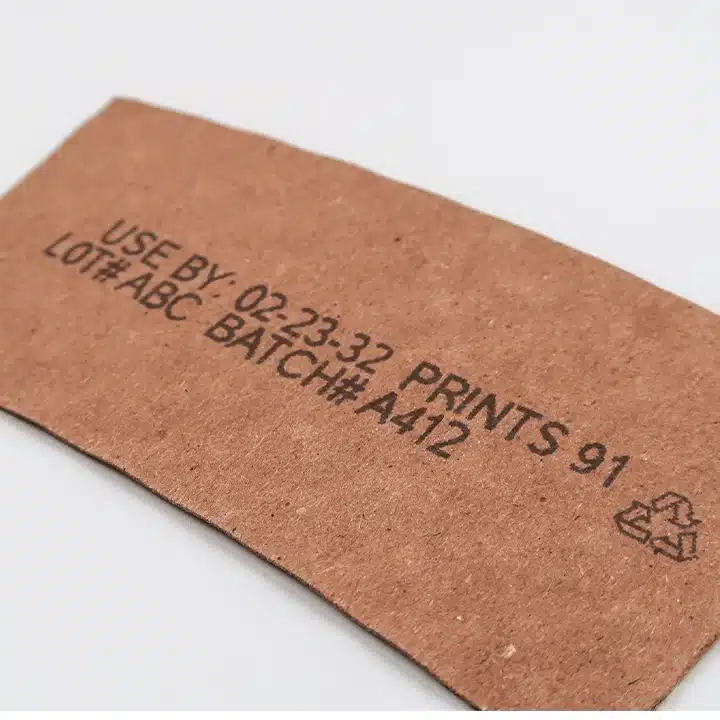
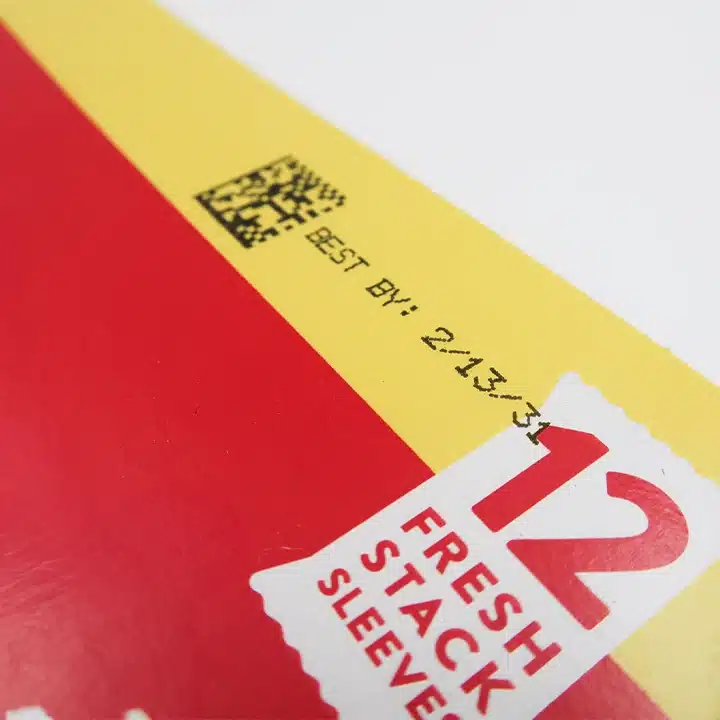
  • Better primary marking: High-resolution text, 2D codes, and TrueType fonts on a wide range of substrates
  • No solvents: Closed ink system with a single 800 ml cartridge and 100 ml reservoir for uninterrupted printing
  • High-speed throughput: Up to 3,000 characters per second and five lines of print without sacrificing quality
  • User-replaceable jetting module: Swap in under five minutes for maximum uptime
  • MPERIA® control: Intuitive touchscreen interface for message creation and automation
  • Compact and robust: Stainless steel enclosure, IP-rated components, and fewer moving parts for reliability
  • CPG ready: Revolutionary alternative to CIJ that provides reliable, clean, and hassle-free primary marking

Why Choose MPERIA® Axian AX1000 Inkjet (XIJ)?

CPG Production Line Performance

Faster Startup, More Production Time: Starts printing in under one minute, helping operators get lines running quickly after planned stops, changeovers, and daily startup procedures.

High-Speed Throughput Without Bottlenecks: Produces multiple lines of text and 2D codes at line speeds up to 200 feet per minute, supporting high-volume FMCG production requirements.

Reliable Coding Across Packaging Formats: Delivers consistent marking on a variety of non-porous and semi-porous packaging materials, including plastic containers, coated cartons, flexible films, and PET packaging.
Operational Reliability

Low-Maintenance Operation: Designed with fewer moving parts to reduce maintenance frequency and unplanned downtime

No Solvent Dependency: Operates without make-up solvents using a closed ink system, eliminating a common source of service interruptions

Continuous Production Capability: Cartridge and reservoir design supports uninterrupted printing without frequent intervention

System Efficiency

Reduced Energy Consumption: Operates at less than 25 watts, minimizing power requirements in production environments

Simplified Fluid Management: Single ink cartridge and reservoir design removes the need for additional fluid handling or additives

Labor Efficiency Support: Automated operation reduces manual intervention required for marking and coding processes

Product Resources

Frequently Asked Questions

What Consumables Are Required?

The AX1000 uses a single closed ink cartridge. Cartridges require periodic replacement based on usage.

What Maintenance Is Required?

The AX1000 uses a closed ink system with no make-up solvents. The jetting module is user-replaceable and requires no tools for installation.

What Is the Message Changeover Process Like?

Message creation, storage, and selection are managed through the MPERIA® platform. Messages can be created manually on the controller, downloaded remotely, or imported via USB drive.

What Types of Marks Can I Make with the Axian Inkjet (XIJ)?

The types of marks you can make with the Axian Inkjet include alphanumeric text, dates, lot and batch codes, linear barcodes, 2D codes, and simple graphics.

What Is the Maximum Print Area?

Maximum print height is 0.5 inches (13 mm) with up to 5 lines of text. Exact character size and print width depend on message content, resolution, and system configuration.

What Substrates Can I Mark On?

The Axian AX1000 marks non-porous and semi-porous substrates, including flexible films (PET, OPP), coated cardboard, chipboard, and plastics such as HDPE, LDPE, and PVC. Substrate compatibility depends on ink selection and application requirements.